
One of the most dreaded things to happen in a freshwater aquarium is an explosion of freshwater snails. If there is one, there are usually more, and more, and then more!
In this article, we’ll discuss what to look for to prevent freshwater snails from hatching in your tank and what to do if it is already too late.
Key Takeaways
- Spotting and identifying snail eggs early on is key to preventing a tank infestation, with snail eggs commonly appearing as clustered jelly bubbles on aquarium plants and decorations.
- While snails can be advantageous for aquarium hygiene, keeping their numbers in balance is essential; options for surplus snails include using them as a food source for other fish or ethical elimination.
- Prevention strategies for snails involve meticulous checking and pre-treating of new aquatic plants and accessories, with various methods available for dipping plants to eliminate unwanted hitchhikers.
What Do Snail Eggs Look Like?
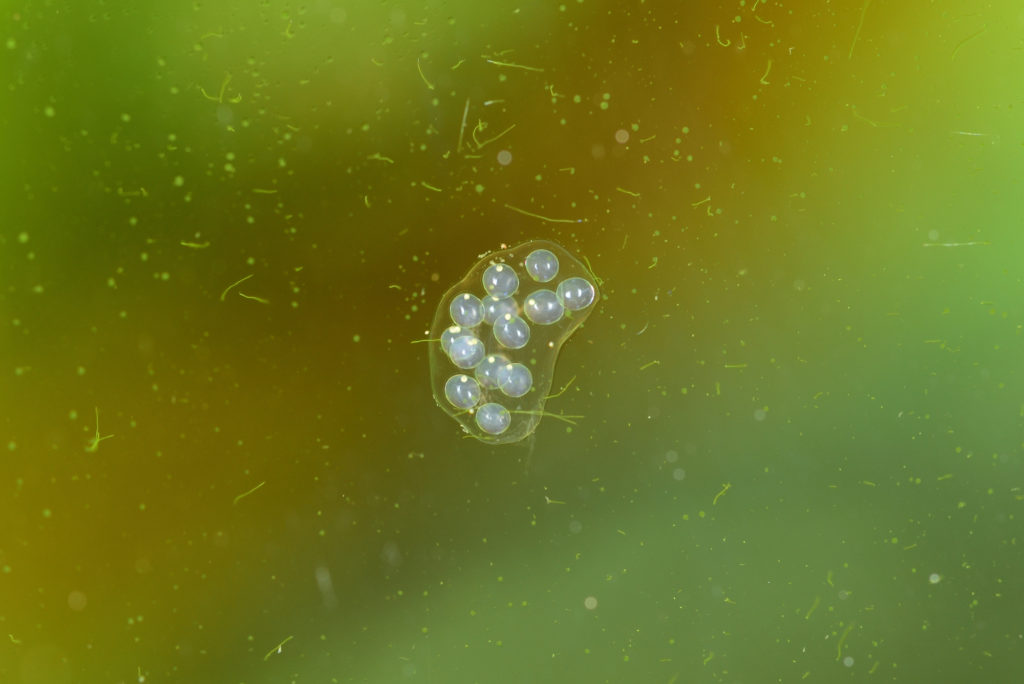
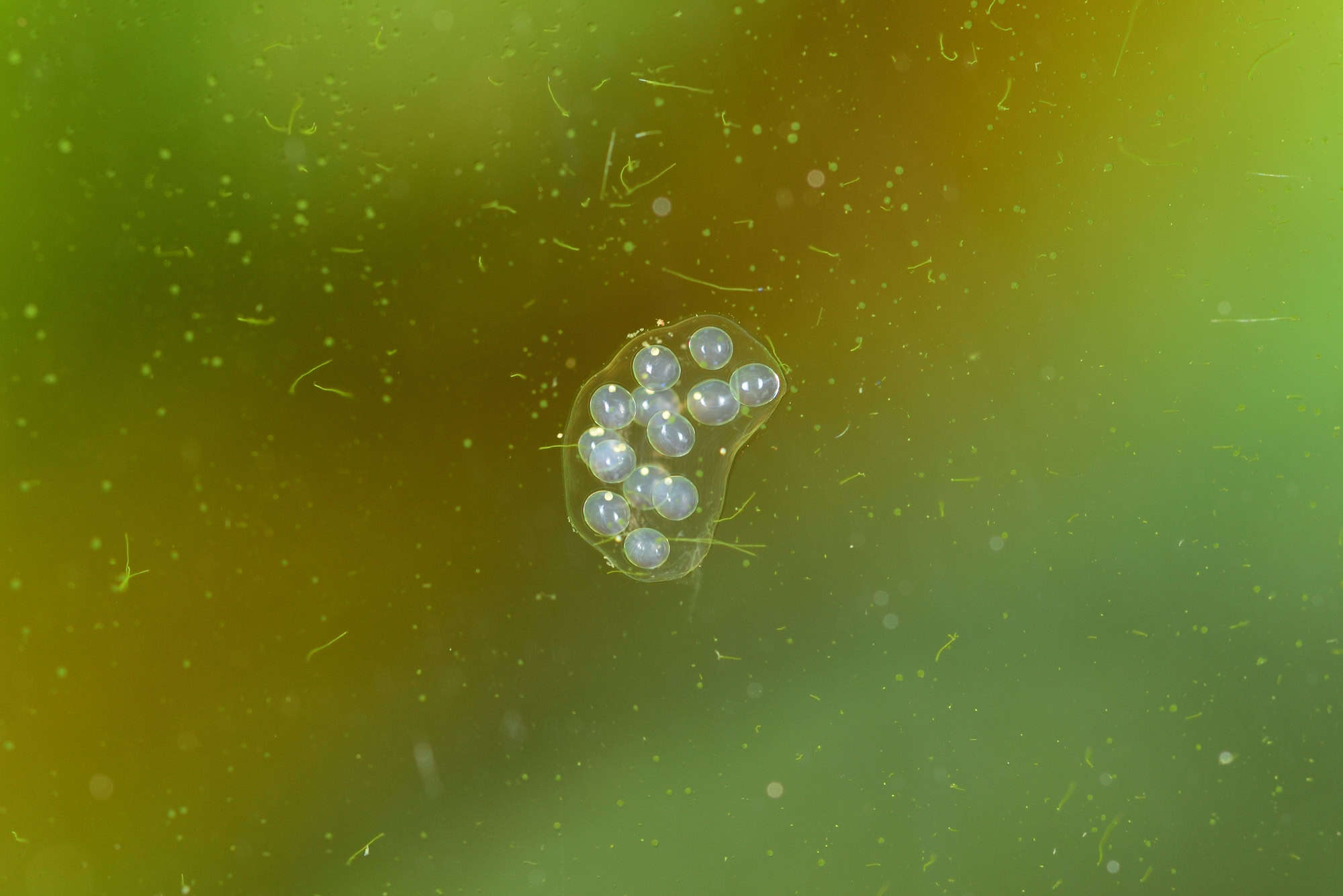
While each snail species has different eggs, a case of freshwater snail eggs is pretty easy to identify in a freshwater aquarium where other possibilities (fish, invertebrates, and other livestock) are known. Snail eggs will be clumped together in a clutch and may have a transparent sac that holds them together. The eggs look like clear little jelly bubbles that may have some coloration depending on the species of the snail.
Fertilized eggs will usually change color slightly and start to show dark spots over a short period, which is an indication that the yolks are developing. Unfertilized eggs will not change in color but will start to smell like rotten eggs after some time has passed; usually, after 3-4 weeks, it is safe to say that the clutch was not successful and will not hatch.
How Do Snails Reproduce?
Each species of snail is different, with some being sexual and others being asexual; some asexual snail species even reproduce through hermaphroditic means. If conditions are right, some snail species may lay eggs a couple of times every month.
Where Do Snails Lay Their Eggs?
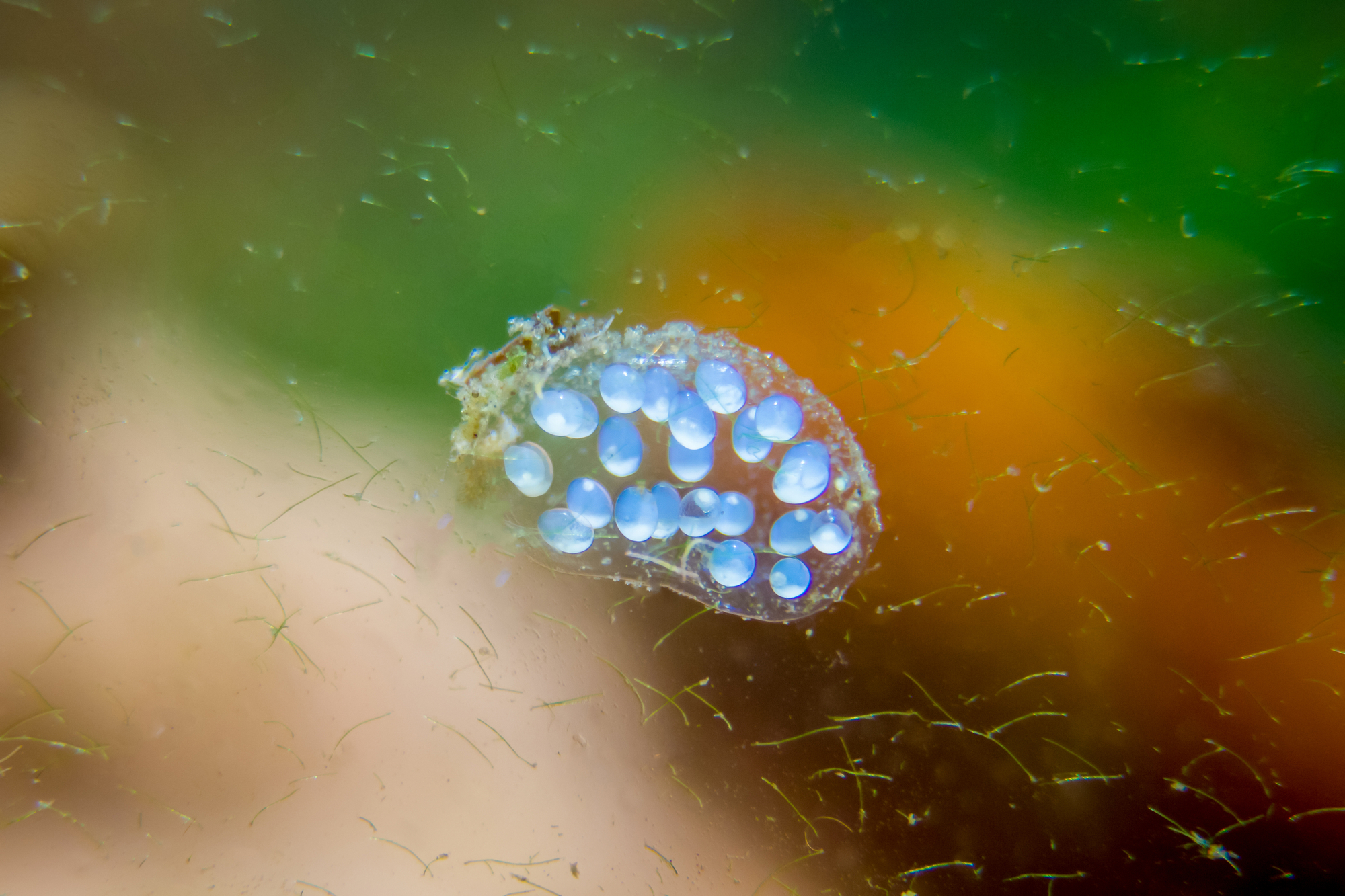
One of the main ways that freshwater snails enter an aquarium system is on live plants. Snails love to lay their eggs on the underside of leaves, which can be very difficult to spot when introducing a new plant into the tank. Eggs can also be laid on other aquarium decorations, including rocks and driftwood. That’s why it is always recommended to thoroughly examine, dip, and even quarantine any new items that will enter your tank.
Some species of snail prefer to lay their eggs on the side of the glass. Snails from the Ampullariidae family, more commonly known as apple snails, have both gills and lungs for breathing in and out of the water, allowing them to lay their eggs in different places. A common species of Ampullariidae that you’re bound to come across in the aquarium trade is the mystery snail ( Pomacea bridgesii).
What To Do With Your Baby Snails and Snail Eggs
If you find yourself with a bunch of snail eggs or baby snails that have already hatched, there are a few possible options to deal with them. You could let them hatch, use them for feeding your fish, or humanely dispose of them.
Let Them Hatch
For some, the first sign of snail eggs or snail babies can be the start of a very long battle between controlling snail populations and maintaining a healthy ecosystem. For others, biodiversity is welcomed into their tank, and any egg clutch found is a bonus to the aquarium’s cleanup crew.
I’ve had several incidents of snail infestations in my tanks during my 40-year fishkeeping journey. These little creatures are good to have around the tank, provided they don’t get out of control. However, I’ve found that most snail eggs are gobbled up by fish before they hatch, keeping the population in check naturally.
I also find that picking the snails off the glass and plants when I spot them is a good way of controlling numbers. Of course, you must always dispose of the snails ethically.
Snails are a healthy part of any aquarium system as long as their populations are kept in check. If you’re struggling with algae or other detritus, allowing snail eggs to hatch can be a free method of obtaining the cleanup crew that your tank needs. However, once the algae are gone, the snails will still need to be fed an assortment of algae pellets and wafers, as well as blanched vegetables, to keep them from starving.
If you’re interested in purposely breeding snails, then check out our breeding aquarium snails guide here!
Use for Feeding
Some hobbyists even set up a freshwater snail breeding tank to cultivate larger populations! If you have snail-loving species, like puffers, that need to keep their beaks trimmed by eating hard food, then you will want your snail eggs to hatch; some other fish that will enjoy a snail egg or snail baby snack is the loach. Baby snails can even be fed to other snails, like assassin snails.
Some freshwater snail species are easier to breed than others, and hobbyists take advantage of this as a way to cultivate their own live food. A separate snail hatchery is not difficult to set up and usually only requires a 5 to 10-gallon (18.9 L to 37.9 L) tank. By providing optimal water conditions and plenty of food, snails tend to lay eggs in no time at all!
One of the biggest benefits of letting your snail eggs hatch is that you get to determine what they’re fed from the point that the adult snails lay the clutch. This means that you can give your snails the best diet possible, which will then affect the overall health of the fish or invertebrates that will be eating the snails.
Humanely Dispose of Them
If you do not want a freshwater snail infestation in your own tank and cannot use them to feed your other fish/invertebrates, then sadly, there is only one option left. There is a lot of controversy about the right way to dispose of aquatic life in general humanely, but removing the snails and placing them in a freezer tends to be the most agreed-upon method.
The easiest way to make sure that you get most of the snails out of your tank is by placing a vegetable, like lettuce, in the tank. The snails will congregate on top of the vegetable, making for easy removal.
However, if you’re trying to prevent the snails from entering your aquarium in the first place, like on a piece of live plant, freezing them won’t be practical. Again, hobbyists have several different methods for dipping live plants. Some of these include making bleach mixes, salt mixes, hydrogen peroxide mixes, or using other pre-made aquarium products.
While these might seem like harsh precautions, it is not unheard of for baby snails and/or egg clutches to still make it into the tank after being dipped.
Pest or Pets?
Reddit contributor greatblueheron16 puts up a spirited defense on behalf of the humble snail. She points out that these little snails make an excellent cleaning crew in any fish tank, eating algae and decaying plant matter.
It’s worth reading this thread, as the poster puts forward a valid, well-reasoned argument for the snails. You might change your mind about ridding your tank of these peaceful little critters once you’ve read this post!
Conclusion
Snail eggs are pretty easy to identify, the only problem is catching them in time before they hatch and potentially take over your whole tank! Even then, there’s not too much cause for concern as snails are a natural element of freshwater systems and help clean up detritus and algae. If you don’t want additional snails in your tank, then you can always feed your other livestock or humanely dispose of them otherwise.
If you have any questions about approaching snail eggs or snail infestations, or if you have had experience with a snail infestation of your own, don’t hesitate to leave a comment below!


