
You just walked into a fish store, or maybe you hauled home a shiny starter kit, and someone handed you a “hardy” fish list that seemed perfectly safe. The real problem is that many of those common starter picks raise ammonia and stress levels in a new tank, and they slow or ruin the nitrogen cycle before you even know what cycling means. That advice quietly sets you up for cloudy water, sick fish, and early losses instead of giving you a stable start.
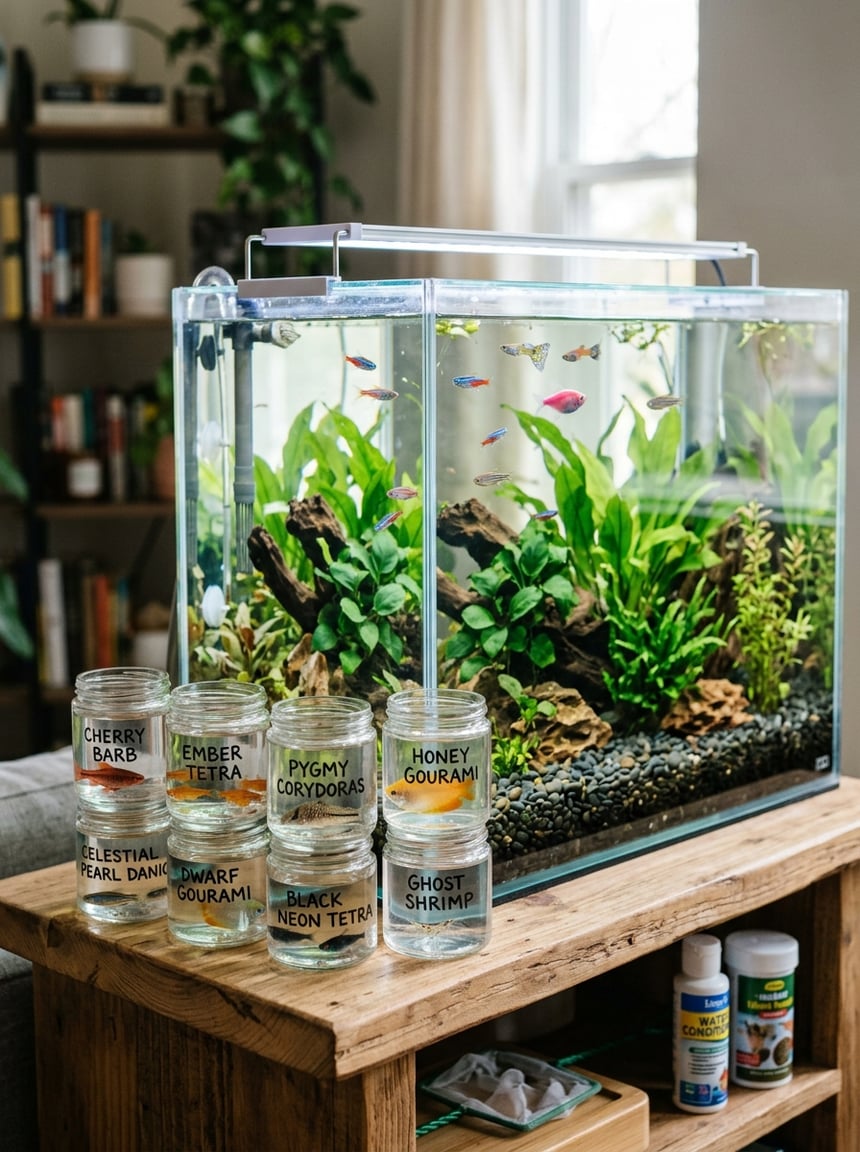
What you actually need are practical fixes and better starter choices. Fish that tolerate uncycled conditions, or options that let you cycle without throwing livestock into the middle of a chemistry experiment. This article points out which popular recommendations stall your cycle, explains why, and offers clear alternatives that give you a better shot at keeping fish alive through the hardest part of the hobby.
1) Cherry Barb
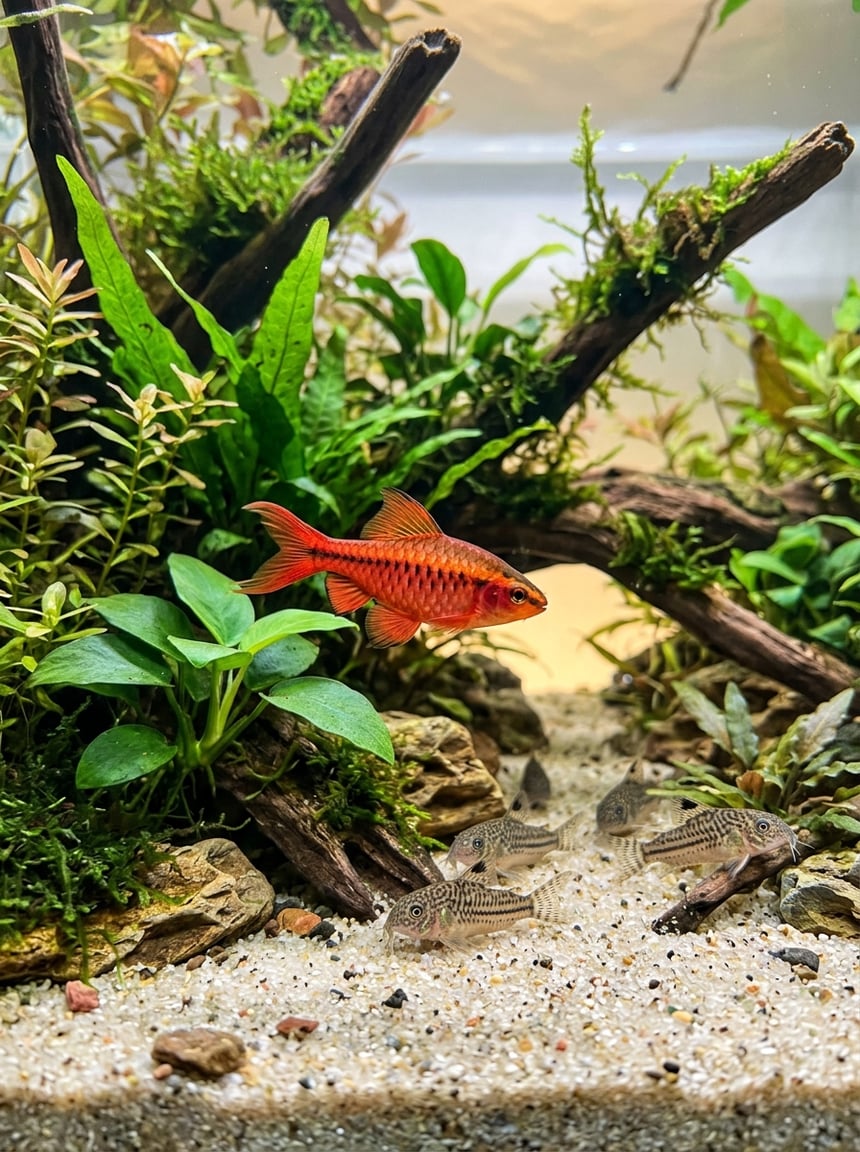
Stores push cherry barbs because they’re cheap, colorful, and genuinely hardy in an established tank. Sales staff tell you they’re beginner-proof, schooling, and will brighten a 10-gallon quickly. That last part is true, but only once your tank is ready for them.
The problem is their appetite and waste load. Cherry barbs eat a lot and produce steady ammonia that an uncycled filter simply can’t process fast enough, so nitrifying bacteria never get a stable start. Stress and early deaths are common when tank chemistry swings, and each loss sets your cycle back by weeks.
Get pygmy corydoras instead. They eat leftover food, carry a low bioload, and tolerate the gradual changes of a tank that’s still building its bacteria. Pygmy Corys help keep the substrate tidy without producing large ammonia spikes, giving your cycle a real chance to mature before you add anything more demanding.
2) The Neon Tetra Problem
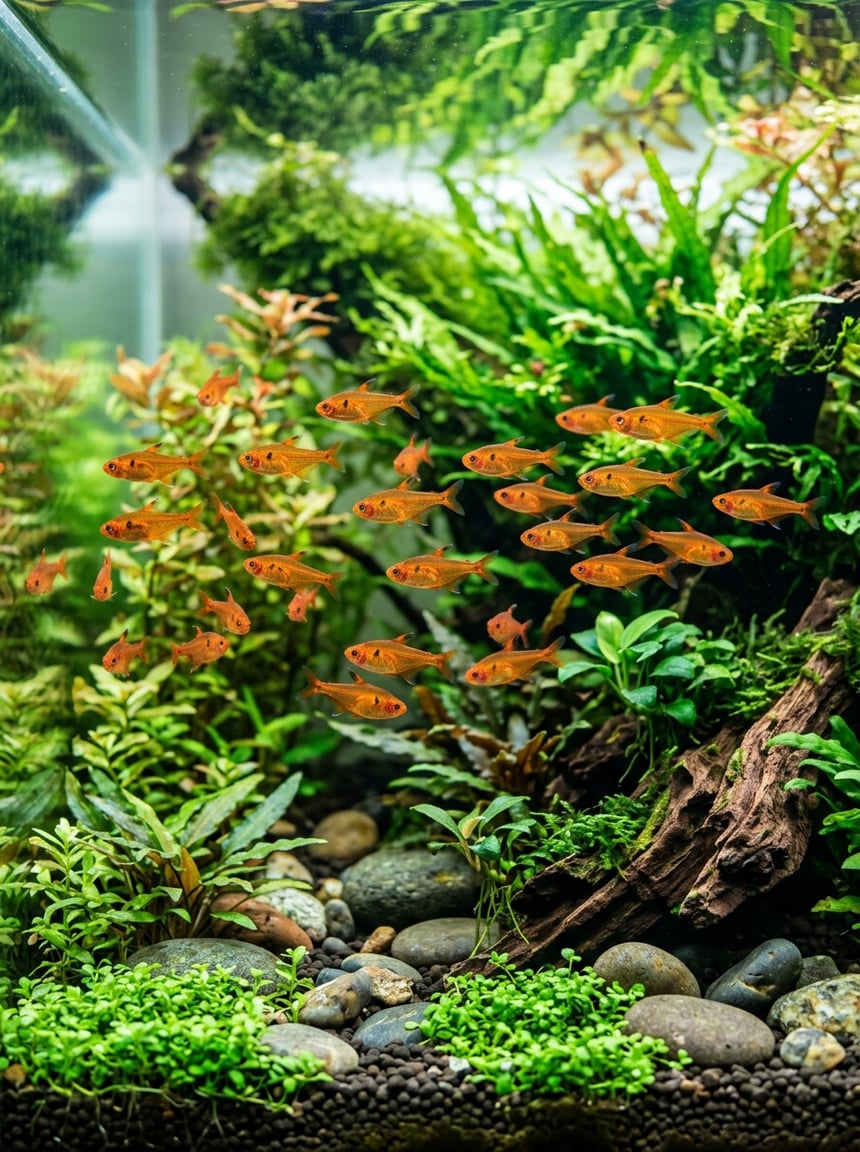
Neon tetras get sold as “hardy” because they’re cheap, colorful, and look fantastic darting around a display tank. Customers like bright stripes in a new setup. Stores like that neons move fast enough to catch the eye from across the aisle.
Here’s what stores skip: neons are stress-prone in uncycled water. They’re sensitive to ammonia spikes and show distress quickly. When you lose one or two and reach for medication, you’re adding more chemistry to an already unstable system, which can stall bacterial growth even further. The cycle gets longer and more fragile, not shorter.
Pick ember tetras instead. They handle slightly rougher water and cope with low, uneven bacteria levels better than neons do. Still small. Still orange and beautiful. But they survive the early, unstable days more reliably while you finish a proper fishless cycle.
3) White Cloud Mountain Minnows Beat Zebra Danios Every Time
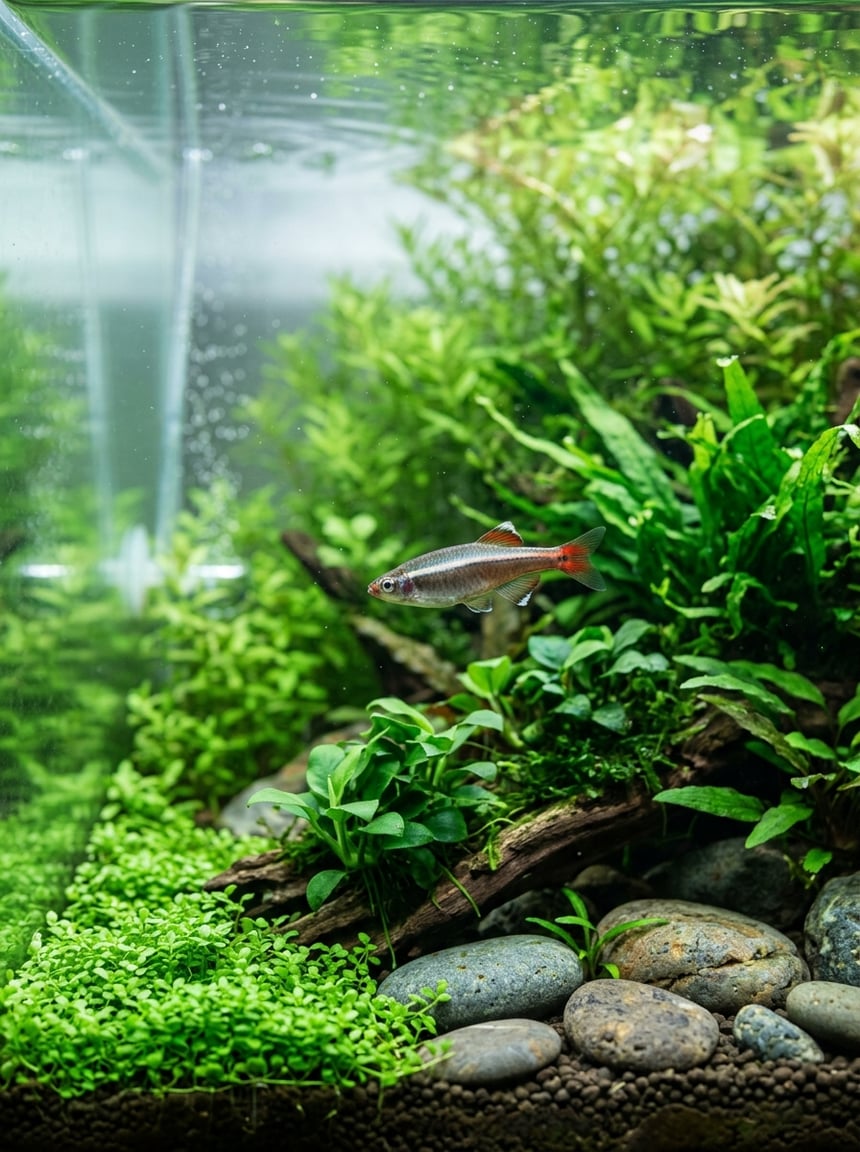
Zebra danios are the fish your LFS reaches for when you say you’re a beginner. They’re genuinely tough in established tanks. Staff often describe them as “bulletproof,” which is almost accurate, but not in an uncycled tank.
Their fast metabolism and schooling needs mean you’ll probably add five or six at once, and that load of fish waste hits your filter before there are enough bacteria to handle it. Ammonia spikes. The cycle stalls. Any fish already in the tank suffers.
White Cloud Mountain Minnows handle cool, lower-stress starts well. They don’t demand that large schools behave. Their bioload is steadier and smaller, which gives your beneficial bacteria a more manageable challenge as they establish. They’re also genuinely pretty fish that don’t get talked about enough at the beginner level.
“The hobby loses too many people in the first month. A patient explainer and a fishless cycle would save most of them.”
4) Goldfish Belong in a Pond, Not a Starter Kit
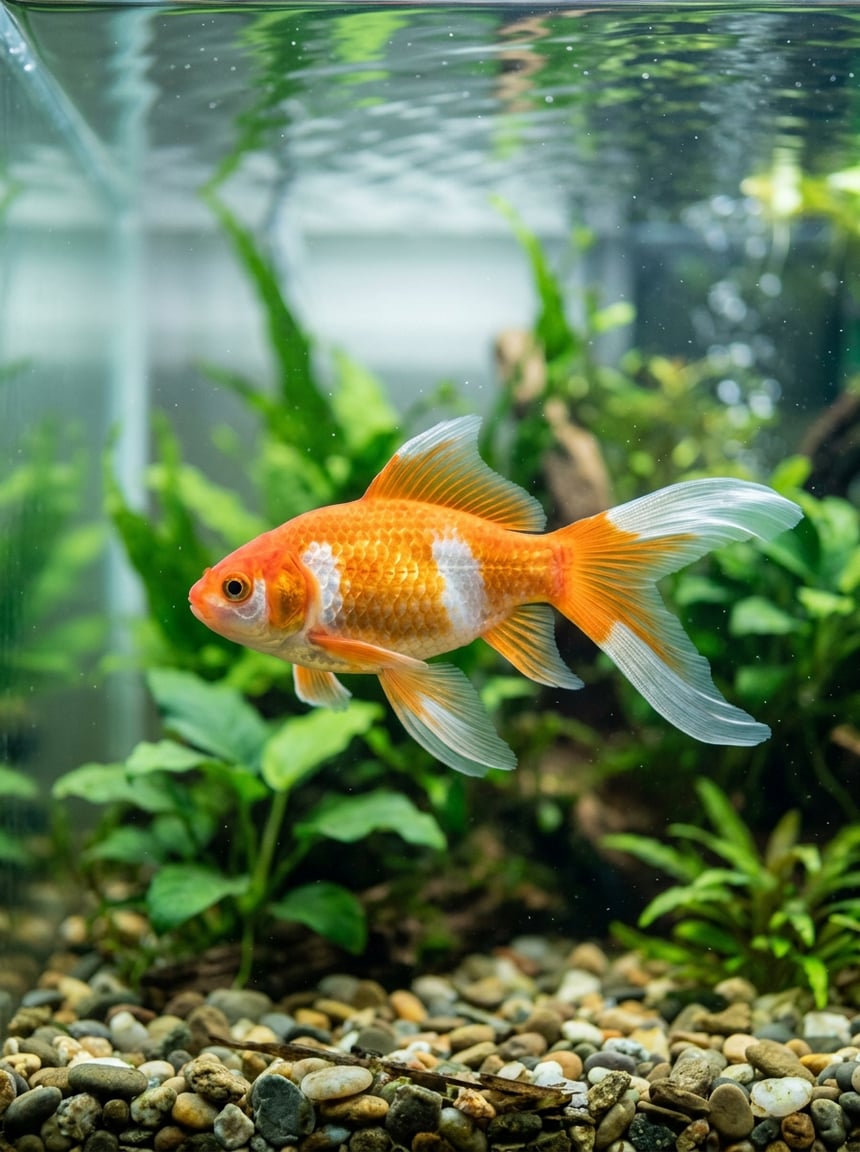
Common and comet goldfish are sold as beginner fish because they look robust and cost almost nothing. Staff frame them as survivable in almost any water, which is close to true for adult fish in a mature pond. In a 10-gallon uncycled starter tank, it’s a different story entirely.
Goldfish produce a very high bioload relative to their size and eat almost constantly. That dumps ammonia into your tank faster than any beginner filter can keep up with, and beneficial bacteria growth halts. In a small tank, they stress quickly, and dead or dying fish add even more waste to an already struggling system.
Fancy guppies are the better call here. They’re small, produce much less waste, and handle the modest water changes you’ll be doing while the tank cycles. Guppies let your bacteria establish without an overwhelming ammonia load, and they give you enough activity to actually enjoy the tank while you wait.
5) Mollies vs. Endler’s Livebearers
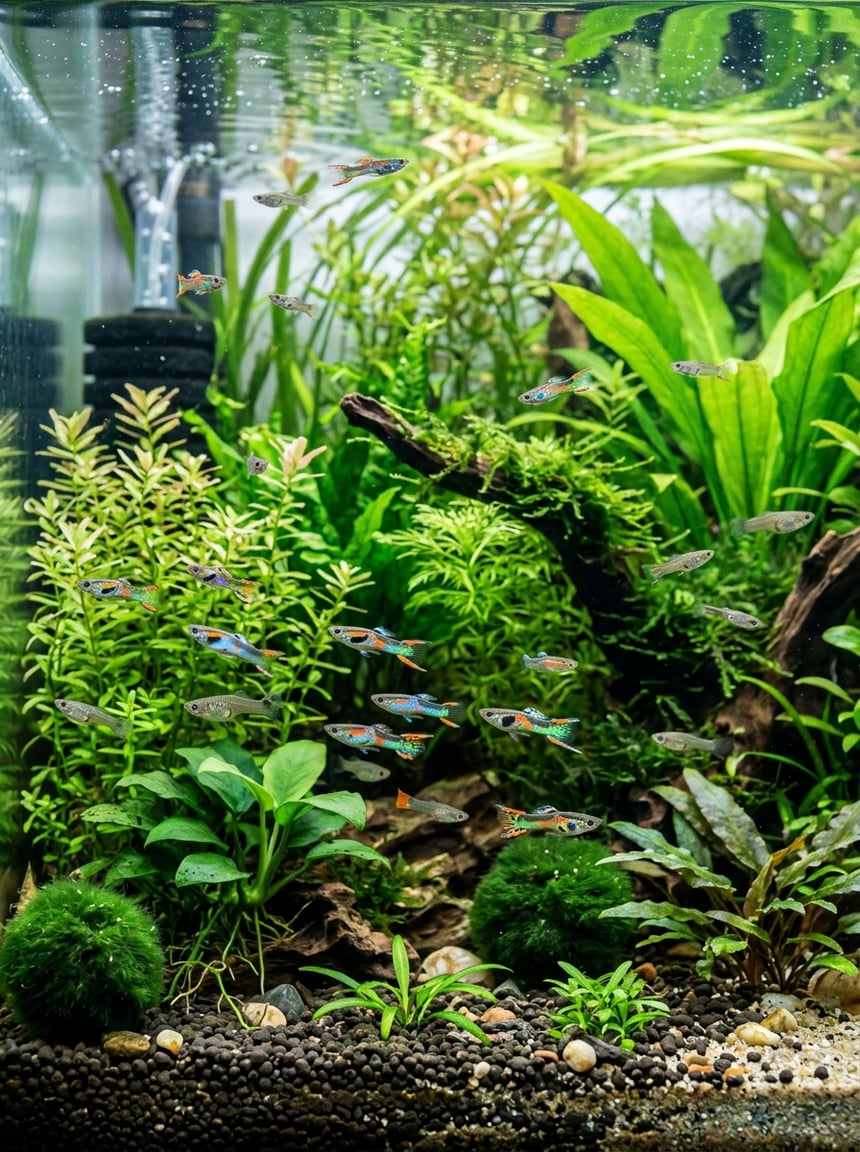
Mollies sell well because they’re lively, colorful, and the staff can honestly say they tolerate a range of conditions. What gets left out is the condition they don’t tolerate well: ammonia spikes during bacterial establishment in a new, uncycled tank.
They create a higher bioload than their size suggests, and they’re sensitive enough to water quality that deaths during cycling are common. Each death adds more ammonia and pushes your bacterial colony back to square one.
Endler’s Livebearers are a much smarter swap. They stay smaller, produce less waste, and handle the slight ups and downs of a cycling tank without the fragility. You still get livebearer behavior and genuinely bright coloration, with far less strain on a filter that’s still finding its footing.
Endler’s Livebearers were only formally described as a species in 2006, even though hobbyists had been keeping them for decades under the informal name “Endler’s.” Their small size and hardiness made them popular in exactly the kind of low-tech, low-bioload setups that cycling tanks require.
6) Skip the Platy. Add a Bolivian Ram.
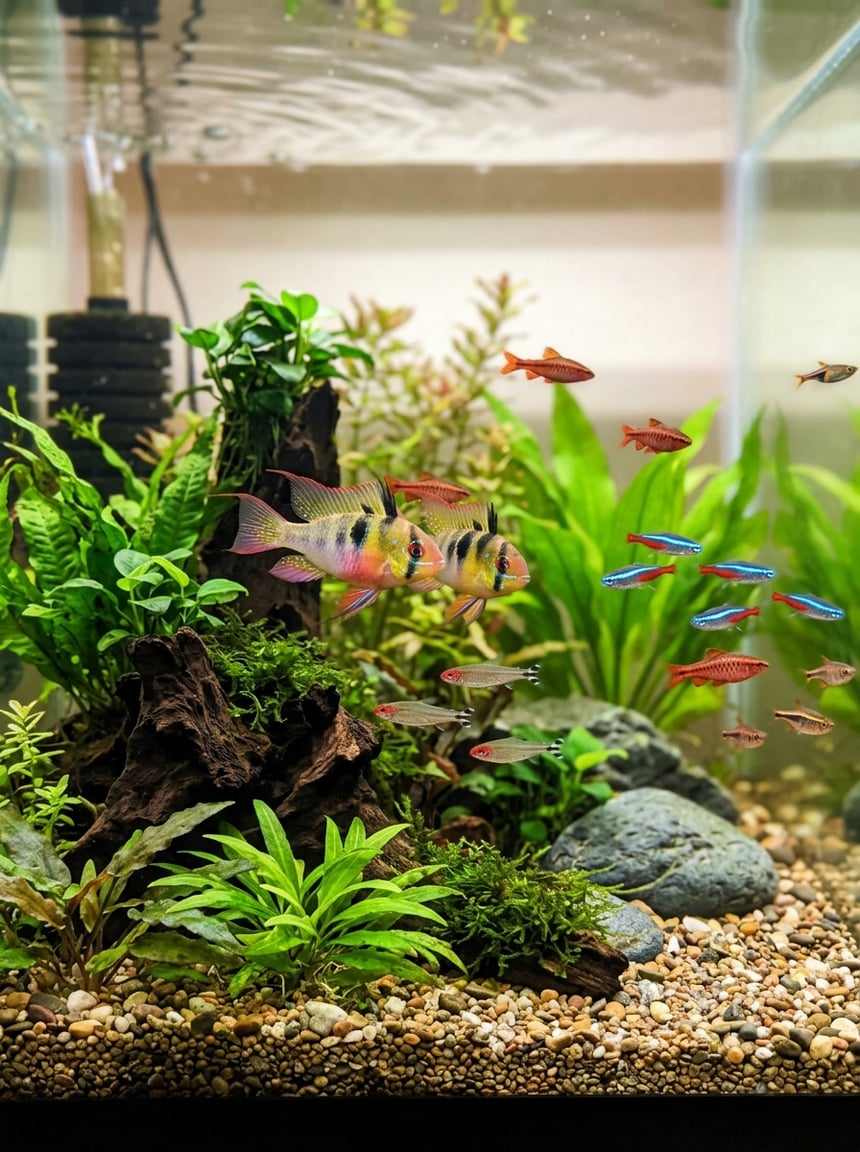
Platies are cheap, they breed easily, and stores sell them with a confident “hardy starter fish” label. Visually they make sense in a community tank, and nobody’s lying when they call them tough. But tough and appropriate for a cycling tank are not the same thing.
Platies add a steady bioload, and in an uncycled tank that steady waste stream can prevent beneficial bacteria from getting a real foothold. The result is the same pattern you’ll see across this list: cloudy water, repeated ammonia spikes, and fish that don’t make it through the first few weeks.
A Bolivian Ram produces less ammonia relative to its size, eats less aggressively, and handles the slow incremental improvement in water quality that a fishless cycle produces. It’s a more patient fish for a tank that’s still figuring itself out. And honestly, it’s also a more interesting fish than a platy once you’ve watched it for a week.
7) A Betta in an Uncycled Tank Is a Setup for Heartbreak
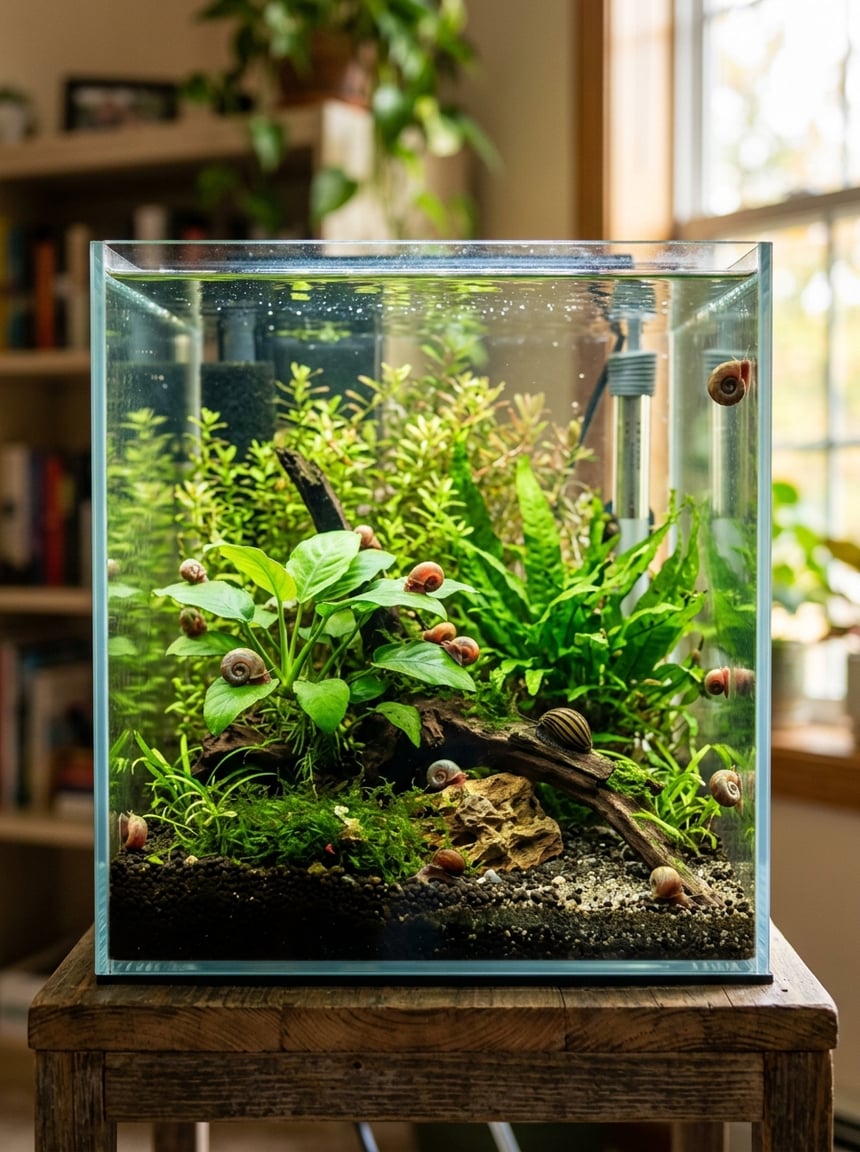
Bettas get sold into every situation because they’re dramatic, colorful, and fit in almost any container. Staff call them easy. Some of the marketing around betta care actively suggests that a bowl or a vase is sufficient.
None of that is accurate for a cycling tank. Bettas are sensitive to ammonia and need stable, warm water. Drop one into an uncycled 10-gallon and ammonia climbs, bacterial growth stalls, and the fish shows stress through clamped fins and reduced activity long before it dies. It’s one of the most common causes of beginner burnout.
Start with nerite snails and live plants instead. Nerite snails and Java moss add almost no ammonia, and they give you something to observe and care for while your biological filter builds naturally. They let you practice water changes and testing without putting a sensitive animal through toxic spikes. Once your cycle is complete and readings are stable, then you can add a betta and actually enjoy it.
8) Swordtails Are Messy. Dwarf Gouramis Are Not.
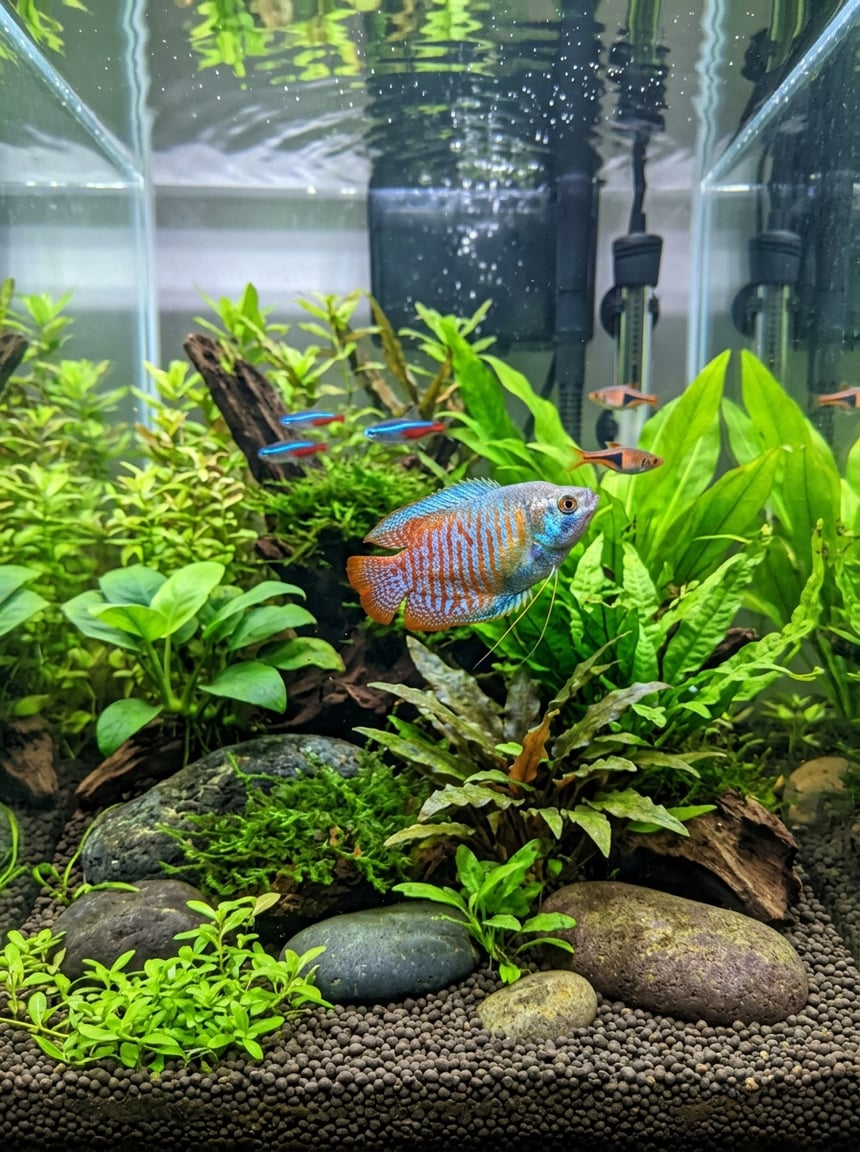
Swordtails look great in a display tank. They’re active, they’re colorful, and they’re inexpensive. Staff lean on the word “hardy” again, and it’s not wrong in the right context.
In an uncycled tank, though, their messy eating habits and relatively high bioload generate ammonia spikes faster than new bacteria can handle. They’re also bigger than most of the alternatives on this list, which means more waste per fish.
A Dwarf Gourami eats less, produces lower waste, and tolerates the small fluctuations of a cycling tank more gracefully. You still should fishless-cycle before adding any fish, but a Dwarf Gourami gives you more margin if you’re doing a cautious fish-in cycle and testing daily. The blue and orange striping is genuinely striking, too.
A single adult swordtail can produce roughly 3 to 4 times the ammonia per day of a single Dwarf Gourami. In a 10-gallon tank with an immature biofilter, that difference determines whether your cycle progresses or stalls for another two weeks.
9) Tiger Barbs vs. Celestial Pearl Danios
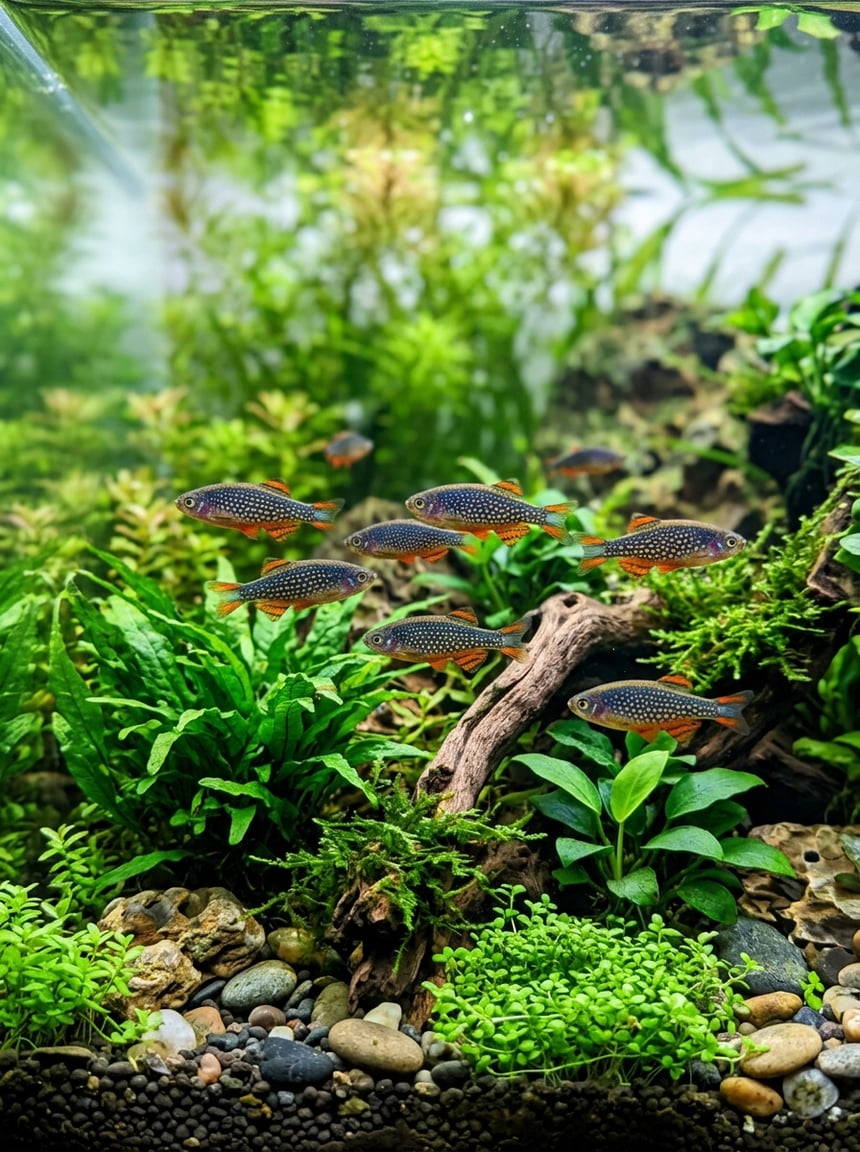
Tiger barbs are cheap, colorful, and genuinely tough in a mature tank. Stores sell them with confidence, and staff mention they tolerate a wide range of water conditions. That’s all accurate, but it leaves out the schooling requirement.
You need to keep tiger barbs in groups of six or more to keep them from fin-nipping. Six fish in a cycling tank is a significant ammonia load. The spikes come fast, the stress follows, and fish start dying before bacteria have had time to establish a stable colony.
Celestial Pearl Danios (also sold as Rasbora Galaxy) are smaller, produce less waste, and handle mild swings better. They’re also genuinely stunning little fish with spotted blue bodies and red-orange fins, which makes them a reward rather than a compromise. A small group of five or six still gives you the schooling behavior you want, without burying your filter.
How the Nitrogen Cycle Actually Works
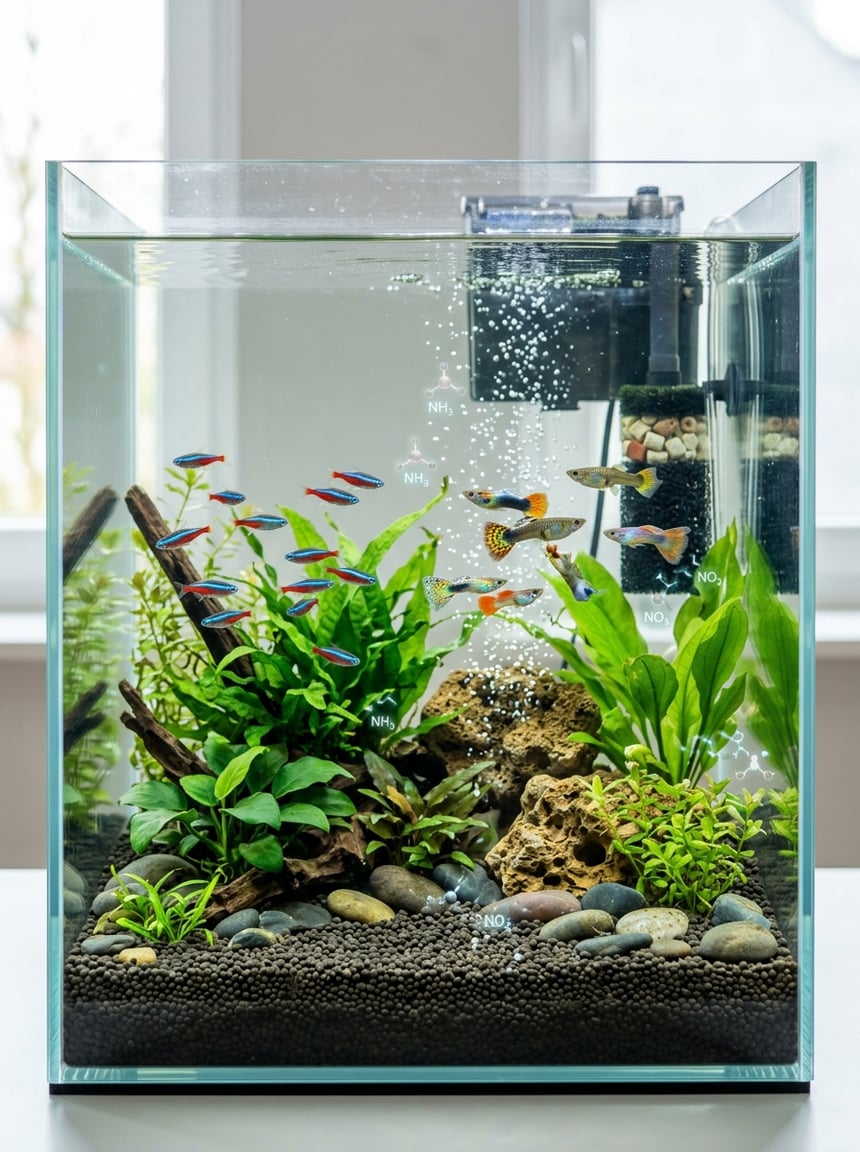
Fish waste produces ammonia. Ammonia is toxic. A group of bacteria called Nitrosomonas colonizes your filter media and converts ammonia into nitrite, which is also toxic. Then a second group, Nitrospira, converts nitrite into nitrate. Nitrate is mostly harmless at low levels and gets removed through water changes or plant uptake.
That whole process takes four to eight weeks in a new tank. You can see it in your test results: ammonia climbs first, then drops as nitrite rises, then nitrite drops as nitrate builds. When ammonia and nitrite both read zero and nitrate is rising steadily, your cycle is complete.
Fish-In Cycling vs. Fishless Cycling
Stores often suggest adding hardy fish to “seed” bacteria because it gives them a sale and it seems practical. They sell you danios or livebearers and imply the fish will handle the ammonia while your tank matures. The pitch sounds simple.
What it actually means is that your fish live in toxic water, sometimes for weeks. You have to test daily, do emergency water changes, and dose beneficial bacteria or conditioners. Some fish survive it. Many don’t.
Fishless cycling uses pure ammonia, a piece of raw shrimp, or a similar ammonia source, along with bottled nitrifying bacteria. No fish are harmed. You can dose ammonia more precisely, reach safe levels faster, and add your fish to a tank that’s already stable. It’s the better method in almost every case, and the extra two weeks of patience at the start saves most of the heartbreak that drives beginners out of the hobby.
Symptoms of a Stalled Cycle
The numbers tell the story. Ammonia above 0.25 ppm, nitrite above 0.5 ppm, and nitrate sitting low or swinging unpredictably all signal a cycle that’s struggling. A liquid test kit gives you reliable data; test strips miss low-level spikes and create false confidence at the worst possible time.
Watch the fish too. Gasping at the surface, inflamed or red gills, faded color, and sudden lethargy all point to high ammonia or nitrite. Cloudy water that won’t clear after a week is another warning sign. If you see any of these, stop adding fish, do a partial water change to bring toxins down, and consider bottled nitrifiers or a full switch to fishless cycling until your readings stabilize at safe levels.

API Freshwater Master Test Kit 800-Test
Check Price on AmazonRethinking the Whole Beginner Setup
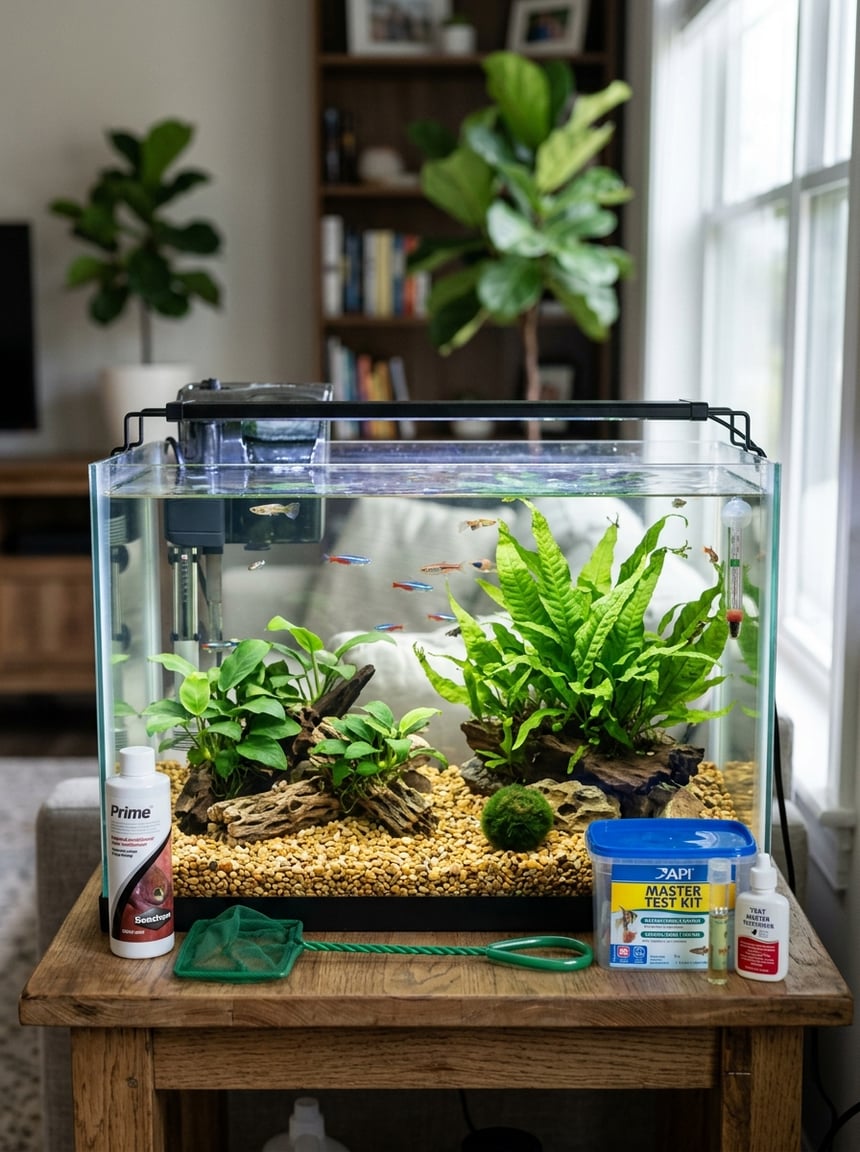
Most beginner failures follow the same pattern. Someone buys a starter kit, adds fish the same day, and watches things go wrong within two weeks. The fish store calls it “new tank syndrome” and offers to sell them a fix. Nobody explains that the problem was avoidable from the start.
The Community Tank Myth
Stores push “community tanks” because the concept sells more fish per visit. They hand you a list of five colorful names, mention that they’re all “peaceful,” and warn you loosely about new tank syndrome with no actual explanation of what to do about it.
The real issue is density and timing. A few low-bioload fish in a cycled tank can coexist beautifully. But many community staples raise ammonia fast enough to stress each other and crash the cycle before bacteria can establish. You also don’t need a fully stocked tank on day one. Start with one or two hardy, low-waste species, fishless-cycle first, and add fish gradually once your readings are stable. That single shift prevents most of the losses that beginners attribute to bad luck.
Water Testing Is Your Actual Early Warning System
Buy a liquid test kit that measures ammonia, nitrite, and nitrate. The API Freshwater Master Test Kit is the standard recommendation and for good reason. Test every day for the first two weeks, then every other day until readings hold steady. Write the numbers down so you can see the trend, not just a snapshot.
If ammonia or nitrite climbs above 0.25 ppm, stop adding fish and do a partial water change to protect anything already in the tank. Nitrate rising slowly to the 20-40 ppm range is a good sign. The bacteria are working. Treat your test results as actual data, not guesses, and they’ll tell you exactly when the tank is ready for its next inhabitants.
The fish store that sold you a cherry barb and wished you luck wasn’t lying, exactly. They just weren’t telling you the whole story. Now you have it.