
Quick Answer
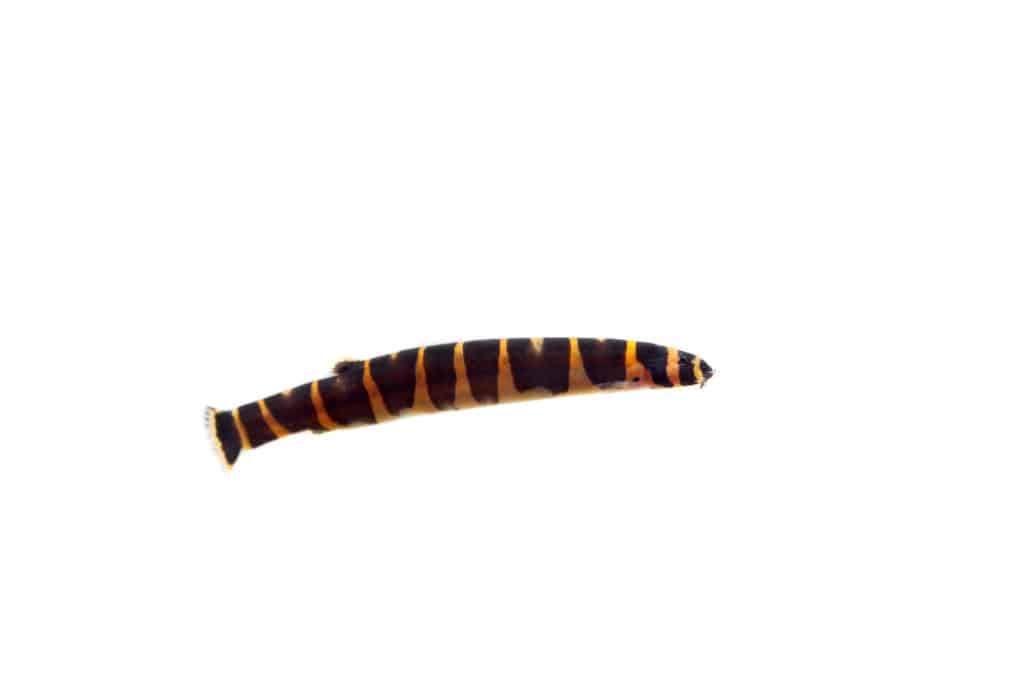
Panda loaches (Yaoshania pachychilus) need cool water between 64-72°F, strong current, and pristine water quality. They’re not beginner fish — the subtropical temperature requirement alone disqualifies most home aquariums, especially in summer.
You’ve seen photos of the panda loach and now you want one. That bold black-and-white pattern on a 2.5-inch hillstream loach is genuinely striking — and the $75-100 price tag hasn’t scared you off. But here’s what those photos don’t show: the fish in them are juveniles. Adults fade to mottled brown. And keeping any of them alive requires a tank setup that most hobbyists aren’t prepared to maintain.
This isn’t a fish you can drop into your community tank. Yaoshania pachychilus comes from fast-moving mountain streams in China where the water rarely tops 72°F — and that’s the upper limit. If you’re in a climate where your fish room hits 78°F in summer, you’re looking at a chiller, which adds $200+ to your setup cost before you’ve even bought the fish.
Quick Care Overview
Where Panda Loaches Come From — And Why It Matters
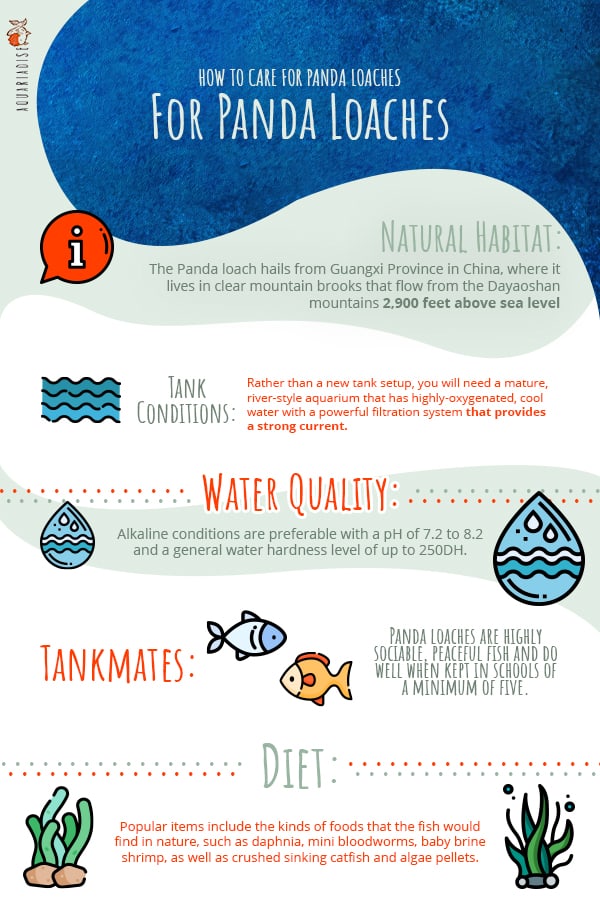
Yaoshania pachychilus lives in the mountain brooks flowing from the Dayaoshan mountains in Guangxi Province, China, at elevations around 2,900 feet. Picture clear, cold water rushing over smooth stones and boulders with almost no vegetation — just biofilm coating every surface and sand between the rocks.
This habitat tells you everything about what they need: high oxygen, strong current, cool temperatures, and grazing surfaces covered in aufwuchs. The absence of plants in their native streams isn’t a design choice — it’s because the current is too strong for most aquatic plants to establish.
[FACT] The panda loach is listed as “vulnerable” on the China species red list. Wild populations face pressure from dam construction, pollution, and electro-fishing — which makes successful captive husbandry genuinely worthwhile.
Tank Setup: The Flow Problem Nobody Talks About
Most care guides mention “strong current” and move on. Here’s what that actually means: you need turnover rates of 15-20x tank volume per hour. For a 30-gallon tank, that’s 450-600 gallons per hour of actual water movement — not filter rating, which always overstates real-world flow.
A standard HOB filter won’t cut it. You need either a river manifold setup with powerheads positioned to create laminar flow, or a canister rated well above your tank size with a spray bar directing flow lengthwise across the tank.
[TIP] Pro Tip
Skip the bogwood. It leaches tannins that soften water and drop pH — the opposite of what panda loaches need. Stick to smooth river rocks, slate, and rounded pebbles. The hardscape should look like a streambed, not a blackwater biotope.
Substrate and Surfaces
Sand with scattered smooth gravel is ideal. The gravel matters for breeding — fry hide in the gaps between stones. But more importantly, you need surfaces for biofilm growth. Smooth river rocks and slate pieces positioned under your lighting will develop the aufwuchs that panda loaches spend most of their day grazing.
Bright lighting encourages algae and biofilm — this is one species where you actually want some green growth on your hardscape. Tight-fitting lids are non-negotiable. These fish can and will climb wet glass, and they’ll find any gap.
The Temperature Challenge
This is where most attempts at keeping panda loaches fail. The 64-72°F requirement isn’t flexible. Above 75°F, these fish become stressed. Sustained temperatures in the upper 70s will kill them.
If your fish room stays below 72°F year-round, you’re set. If not, you need an aquarium chiller. There’s no hack around this. Fans blowing across the surface can drop temps a few degrees through evaporation, but in a proper summer heat wave, they won’t be enough.
[WARNING] Important
Do not attempt panda loaches if you can’t guarantee temperatures below 74°F during your warmest months. This is the single most common reason these fish die in home aquariums.
Water Parameters
Panda loaches are hard water fish — genuinely hard water, not the “eh, my tap is probably fine” kind. Aim for:
- pH: 7.2-8.2 (alkaline)
- General Hardness: 10-25°DH
- Temperature: 64-72°F
- Ammonia/Nitrite: 0 (obviously)
- Nitrate: Below 20 ppm, ideally below 10
The nitrate sensitivity is real. These fish come from pristine mountain streams where organic pollution is essentially zero. Weekly water changes of 30-50% are baseline maintenance, not optional. If your tap water is soft or acidic, you’ll need to buffer it — crushed coral in the filter or a remineralizing product designed for African cichlids works well.
Compatible Tankmates
Panda loaches are peaceful and social — keep at least five, more if you can. Sexing them is nearly impossible, so a larger group gives you better odds of having both if breeding interests you.
Good tankmates share the same temperature and flow requirements:
- White cloud mountain minnows — the classic subtropical companion [INTERNAL LINK: “white cloud minnow care” -> white cloud mountain minnow care guide]
- Danios — most species tolerate cooler water and strong current
- Other hillstream loaches — Sewellia, Gastromyzon, and similar genera
- Rhinogobius gobies — if you can find them
Avoid anything that needs warm water (most tropical community fish), slow flow (bettas, gouramis), or soft/acidic conditions (most tetras, rasboras). The overlap between “subtropical” and “high flow” narrows your options considerably.
Feeding
In the wild, panda loaches are aufwuchs grazers — they scrape biofilm, algae, and the tiny invertebrates living in it off rocks. In your tank, they’ll do the same if you’ve given them grazing surfaces, but they need supplemental feeding.
What works:
- Sinking algae wafers (crushed for smaller specimens)
- Repashy gel foods, especially Soilent Green or Super Green
- Frozen daphnia, cyclops, and baby brine shrimp
- Blanched zucchini or cucumber slices
- Powdered fry food for juveniles under an inch
Feed in the evening when they’re most active. Don’t overfeed — uneaten food in a high-flow tank gets pushed into dead spots and fouls water quality fast.
Breeding Panda Loaches
Captive breeding is rare but documented. The prerequisites: excellent water quality, a mature tank with established biofilm, a group large enough to include both sexes, and — critically — gravel substrate with gaps for fry to hide.
Spawning behavior isn’t well documented, but successful breeders report fry appearing in external filter intakes and among gravel. The fry are tiny and need powdered food or infusoria until they’re large enough for baby brine shrimp.
If you’re set up correctly for the adults, breeding may happen on its own. But don’t buy panda loaches expecting to breed them — consider any fry a bonus, not a goal.
Where to Buy and What to Expect to Pay
You won’t find panda loaches at most local fish stores. Specialty importers, online retailers focusing on oddball species, and occasionally hobbyist groups are your best sources. Expect to pay $75-100+ per fish, sometimes more depending on size and condition.
Shipping adds significant cost and stress. If possible, buy from a seller who’s had the fish in-house for at least a few weeks — freshly imported specimens have higher mortality. Ask when they arrived and what they’ve been eating.
Given the investment, quarantine is non-negotiable. [INTERNAL LINK: “quarantine new fish” -> quarantine tank setup guide] Two weeks minimum in a separate tank matching your display parameters, watching for signs of stress or disease before adding to your main setup.
Did You Know?
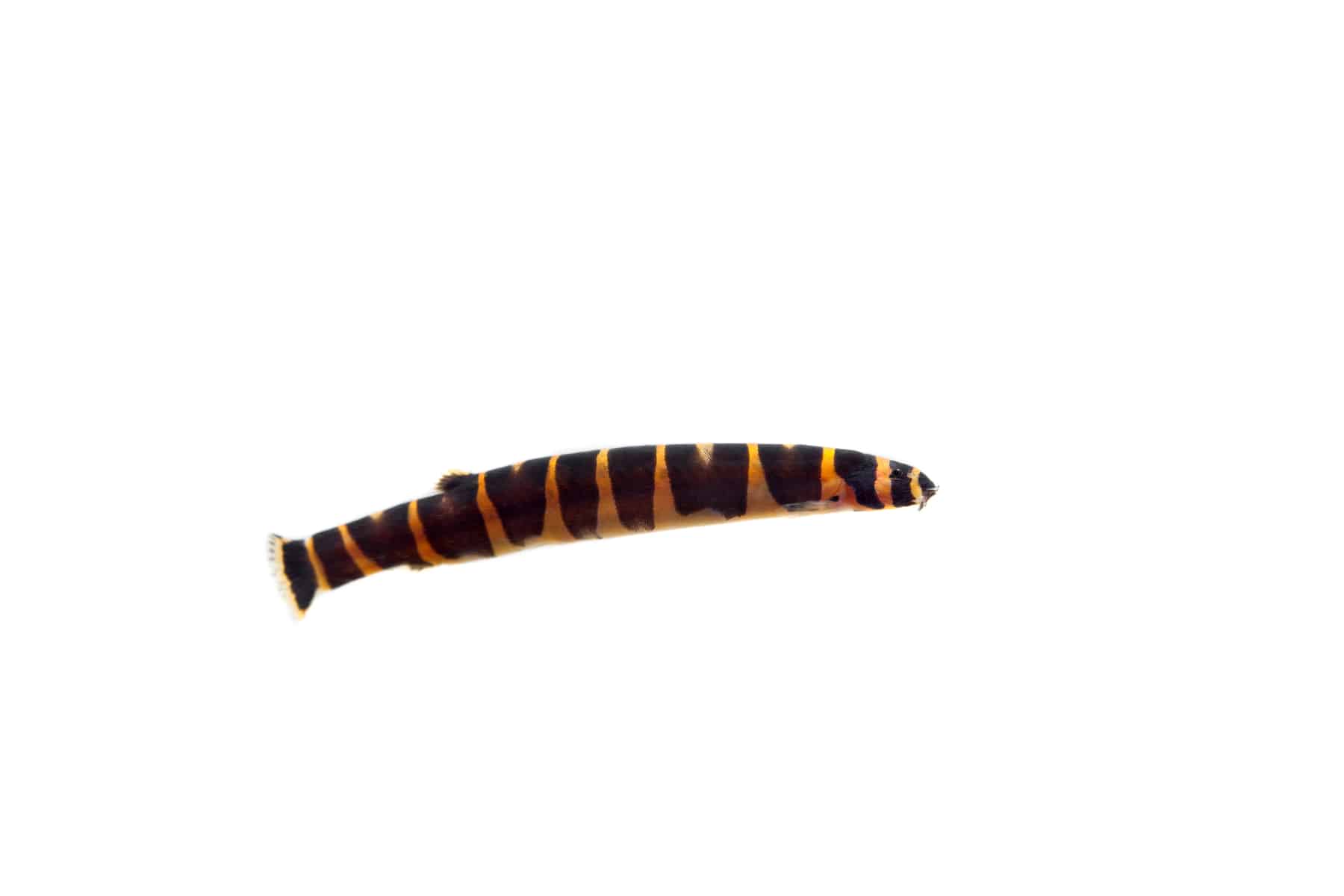
The bold black-and-white pattern that gives panda loaches their name fades significantly as they mature. Adults develop a mottled brownish-cream coloration with a darker lateral band. If you’re buying for the striking juvenile pattern, know that it won’t last.
Frequently Asked Questions
How big do panda loaches get?
Panda loaches reach a maximum size of about 2.6 inches (6.5 cm). They’re among the smaller hillstream loach species, which makes them suitable for tanks in the 20-30 gallon range as long as flow and temperature requirements are met.
Can panda loaches live in a tropical tank?
No. Panda loaches require subtropical temperatures between 64-72°F. Standard tropical temperatures (76-80°F) will stress and eventually kill them. They cannot be kept with most common tropical community fish for this reason.
Are panda loaches good algae eaters?
Panda loaches graze on biofilm and soft algae but won’t eliminate algae problems. They’re not a cleanup crew — they’re a species with specific care requirements that happens to eat aufwuchs as part of its natural diet. Supplemental feeding is still necessary.
Why are panda loaches so expensive?
Panda loaches are endemic to a small region in China, listed as vulnerable in their native range, and rarely bred in captivity. Most specimens are wild-caught and imported, which limits supply. Their specialized care requirements also mean fewer retailers stock them.
Do panda loaches need to be kept in groups?
Yes. Panda loaches are social fish that should be kept in groups of at least five. Solitary specimens often become reclusive and may fail to thrive. A larger group also increases your chances of having both sexes if you’re interested in potential breeding.
Is the Panda Loach Right for You?
Be honest with yourself: can you maintain water below 72°F year-round? Do you have experience with high-flow setups and the discipline to keep nitrates near zero? Are you prepared to spend $400+ on a group of five fish that will lose their striking pattern as they mature?
If yes to all three, panda loaches are genuinely rewarding to keep. Watching a group graze across rocks in a well-designed river tank is something special. But if any of those requirements sounds like a stretch, there are other hillstream species — Sewellia lineolata, for instance — that are more forgiving and easier to source. [INTERNAL LINK: “hillstream loach care” -> hillstream loach species guide]
The panda loach isn’t a fish you get because you want one. It’s a fish you get because you’ve built the tank it needs first.


