
There’s something magical about standing in a room surrounded by hundreds of show-quality bettas, each one more stunning than the last. If you’ve ever wondered what draws hobbyists to travel across Europe for a fish event, one visit to Interkoi will answer that question immediately. This year, I finally made it to Interkoi 2013 in Rheinberg, Germany — and I came home with far more than just photos.
? Did You Know?
European betta shows like Interkoi feature fish bred to IBC (International Betta Congress) standards — these bettas are judged on finnage symmetry, color intensity, body proportions, and overall deportment. Show-quality bettas can take 4-6 months of selective breeding to produce.
What Is Interkoi?
Interkoi is one of Europe’s premier aquatic events, held annually in Rheinberg, Germany. While the name suggests it’s all about koi, the event has grown into a massive celebration of all things aquatic. You’ll find pond specialists, aquarium retailers, koi breeders with endless blue tubs of stunning fish, a bonsai tree exposition, and — the highlight for me — a dedicated betta section organized by the Betta Freaks Forum.
The atmosphere is unlike anything you’ll experience at a local fish store. Breeders from across Europe bring their finest specimens. Fellow hobbyists share stories, swap tips, and geek out over finnage and coloration together. It’s part competition, part marketplace, and part community reunion.
The Betta Exhibition: A Showcase of European Breeding Excellence
I came to Interkoi specifically hoping to find a high-quality halfmoon betta and take some photos to share — and I wasn’t disappointed. The betta section was spectacular. Rows upon rows of individual display containers held fish that would make any hobbyist’s jaw drop: perfect halfmoon spreads, intricate marble patterns, deep metallic coppers, and delicate pastels.
What struck me most was the variety. You could see the different breeding philosophies on display — some breeders focused on maximizing finnage volume, while others prioritized color purity or pattern consistency. Each fish told a story of careful selection and dedication.
? Show-quality bettas in Europe are typically bred to IBC standards. This means 180-degree tail spreads for halfmoons, balanced dorsal and anal fins, and no ray defects. A single breeding pair can produce 50-300 fry, but only a handful will meet show standards.
I had the pleasure of meeting several members of Bettas4All, a Dutch betta organization dedicated to promoting quality betta keeping and breeding. Everyone was incredibly friendly and happy to talk about their fish, their breeding projects, and their passion for the hobby. This is what fishkeeping community looks like at its best.
My New Betta: A Black and Blue Lace Halfmoon

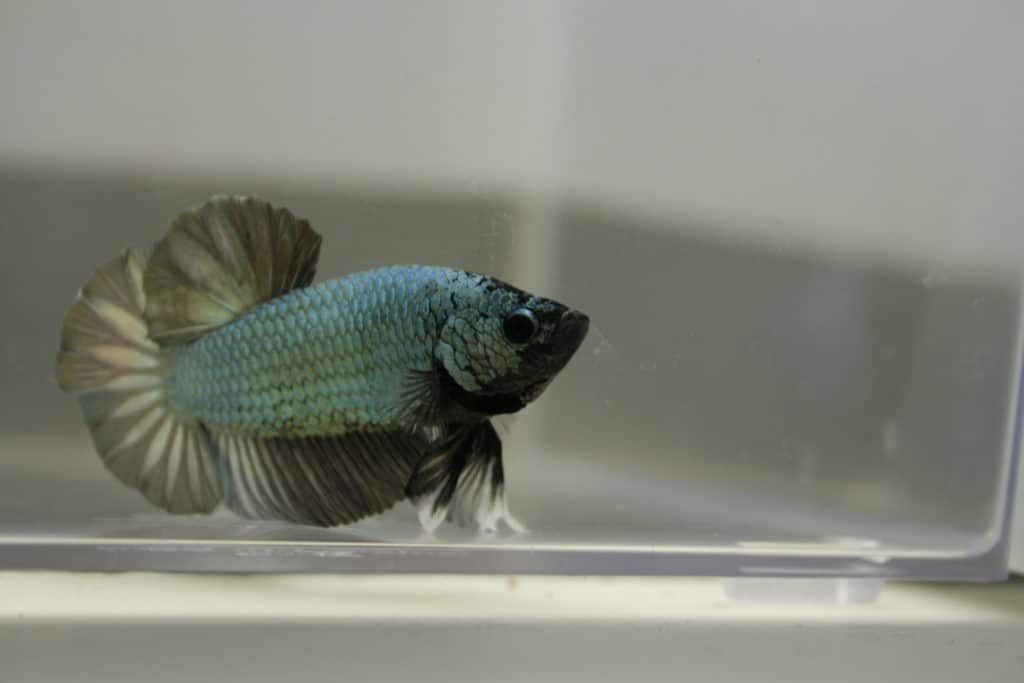
After spending hours admiring the fish on display, I went home with a gorgeous black and blue lace halfmoon. His coloring is stunning: deep black base with iridescent blue scaling that shifts in the light, and delicate lace patterning through his fins.
The adjustment period was a bit nerve-wracking, as it often is with new bettas. He immediately claimed the top of the filter as his hiding spot and refused food for the first few days. This is completely normal behavior for a stressed betta in a new environment — the journey from show to new tank is disorienting, and they need time to settle.
?? Important
New bettas often refuse food for 2-5 days after transport. Don’t panic — this is normal stress behavior. Keep the lights dim, avoid tapping the glass, and offer small amounts of high-quality food daily. Remove uneaten food after a few minutes to maintain water quality.
By day four, he was happily patrolling his new territory and eagerly accepting black mosquito larvae. Now he flares at his reflection, builds bubble nests, and has the confident personality you’d expect from a show-quality betta. The transformation from stressed traveler to confident king of his tank never gets old.
Why Buy From Breeders at Shows?
One of the most rewarding aspects of buying a fish at an event like Interkoi is actually meeting the breeder. This is a completely different experience from picking a random imported fish from a pet store tank.
| Factor | Breeder at Show | Pet Store Import |
|---|---|---|
| Genetics Known | Yes — breeder can tell you lineage | No — unknown origin |
| Age Known | Yes — typically 3-6 months | Usually unknown |
| Health History | Breeder-raised, known conditions | Shipped long distances, high stress |
| Care Advice | Direct from expert who raised them | Generic, if any |
| Quality | Show-standard breeding | Mass-produced |
When you buy from a breeder, you can ask about the fish’s lineage, get specific care recommendations, and even discuss potential breeding projects. Many breeders are happy to stay in touch and answer questions as your fish settles in. That personal connection makes the hobby so much richer.
? Pro Tip
Bring a small cooler or insulated bag to fish shows. Breeders typically provide proper bagging with oxygen, but maintaining stable temperature during your journey home significantly reduces stress on your new fish.
Photo Gallery: Bettas of Interkoi 2013
I compiled a slideshow of my favorite photos from the event. The variety of colors, patterns, and fin types on display was absolutely spectacular — from classic reds and blues to rare copper metallics and wild-type hybrids. Each fish represented months or years of selective breeding work.
[INTERNAL LINK: “betta care guide” -> betta splendens care] covers everything you need to know about keeping these beautiful fish healthy once you bring them home.
Looking Ahead: More European Fish Events
All in all, Interkoi was an incredible experience. The combination of stunning fish, knowledgeable breeders, and passionate hobbyists made for a perfect weekend. If you’re in Europe and serious about bettas or koi, events like this are absolutely worth the trip.
My next target was the Holland Koi Show later that year — another massive event that brings together aquatic enthusiasts from across the continent. I was hoping to help with one of the stands so I could spend the entire weekend surrounded by fish and fellow hobbyists.
For anyone interested in attending European fish shows, here are some of the major annual events to look out for:
- Interkoi (Rheinberg, Germany) — Spring
- Holland Koi Show (Arcen, Netherlands) — August
- Aqua-Fisch (Friedrichshafen, Germany) — Early spring
- Various national betta championships organized through IBC chapters
[INTERNAL LINK: “setting up a betta tank” -> betta tank setup] is essential reading if you’re planning to bring a show betta home from your next event.
Frequently Asked Questions
What is the best way to find betta breeders in Europe?
Join online communities like Betta Freaks Forum (Germany) or Bettas4All (Netherlands). These groups organize show events and connect hobbyists with reputable breeders. Facebook groups dedicated to European betta keeping are also excellent resources for finding local breeders.
How much do show-quality bettas cost?
Show-quality bettas from European breeders typically range from €15-€50, though exceptional specimens with rare colors or perfect finnage can command €75 or more. This is significantly higher than pet store bettas but reflects the quality and care that goes into breeding them.
How do I transport a betta home from a fish show?
Breeders will bag your fish properly with oxygen. Bring an insulated cooler or bag to maintain temperature during transport. Avoid direct sunlight and extreme temperatures. Most bettas handle journeys of several hours well if properly bagged. Float the bag in your tank for 15-20 minutes before release to equalize temperature.
Why won’t my new betta eat after bringing it home?
This is completely normal stress behavior. New bettas often refuse food for 2-5 days while adjusting to their new environment. Keep lights dim, minimize disturbance, and offer small amounts of high-quality food daily. Your betta will start eating once it feels secure in its new territory.
What’s the difference between pet store bettas and show bettas?
Show bettas are bred to meet strict IBC standards for finnage, color, and body proportions. They come from known genetic lines, are typically younger and healthier, and have been raised in optimal conditions. Pet store bettas are mass-produced, often shipped long distances under stressful conditions, and may already be past their prime when sold.
Hope you enjoyed this look at Interkoi 2013! If you ever get the chance to attend a fish show — whether for bettas, koi, or any other species — I highly recommend it. The fish are spectacular, the people are wonderful, and you might just come home with a new finned friend like I did.
[INTERNAL LINK: “betta fish diseases” -> common betta illnesses] is worth bookmarking in case your new fish shows any signs of stress or illness after the journey home.
Happy fishkeeping!


