
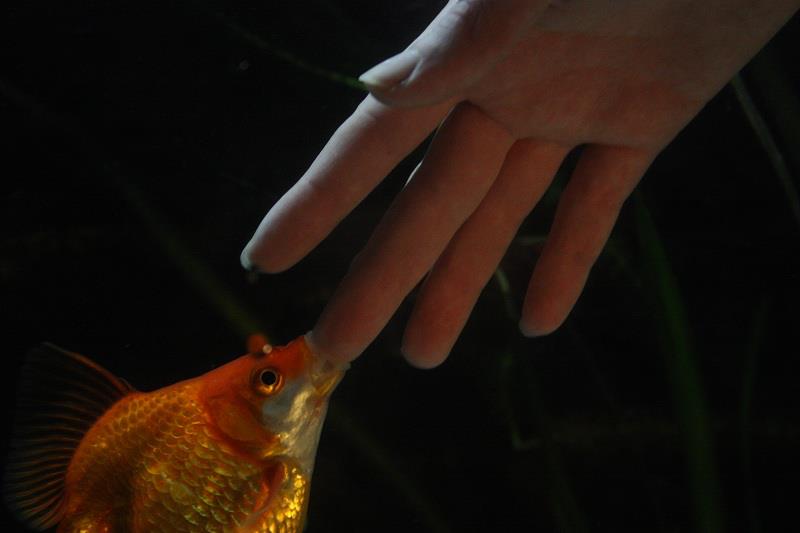
There’s something magical about a fish swimming up to your hand and gently taking food from your fingers. It transforms your aquarium from something you watch into something you interact with — a genuine bond between you and your underwater pets.
Quick Answer
Yes, you can train most aquarium fish to eat from your hand! The key is patience and consistency — start by keeping your hand still in the water during feeding time, then gradually introduce food held between your fingers. Most fish learn within 2-4 weeks of daily practice.
Hand feeding isn’t just a fun party trick to show your friends. It’s actually a practical skill that makes your fish more comfortable with your presence, which becomes invaluable when you need to examine them for injuries, move tank decorations, or perform maintenance. A fish that trusts your hands is a fish that experiences less stress during routine care.
Which Fish Can Be Hand Fed?
While goldfish are the most famous hand-feedable fish (and often the most enthusiastic about it), they’re far from the only species that will learn this behavior. The best candidates share a few traits: they’re naturally curious, food-motivated, and intelligent enough to form associations between you and feeding time.
| Species | Hand Feeding Ease | Notes |
|---|---|---|
| Goldfish | ????? Excellent | Naturally bold and food-obsessed; often learn within days |
| Bettas | ???? Very Good | Curious and intelligent; some individuals are shyer than others |
| Oscars | ????? Excellent | Known as “water dogs” for their personality; very interactive |
| Koi | ????? Excellent | Similar to goldfish; pond koi often become very tame |
| Blood Parrots | ???? Very Good | Friendly cichlids that bond with their owners |
| Pufferfish | ??? Good (use tweezers) | Very intelligent but can bite — use feeding tongs instead |
? Did You Know?
Goldfish can recognize their owners’ faces and will respond differently to familiar people versus strangers. Studies have shown they can distinguish between human faces even when features like hair color are changed — they’re much smarter than most people assume!
Before You Start: Safety First
Before dipping your hands into the aquarium, there are some important safety precautions to take — both for you and for your fish. Your hands carry oils, lotions, and residues that can be harmful to aquatic life, and certain situations make hand feeding inadvisable.
?? Important Safety Rules
Wash thoroughly: Rinse your hands multiple times with plain water — no soap residue should remain. Hand sanitizer, lotions, and cosmetics are toxic to fish.
Cover wounds: If you have any cuts, scrapes, or open wounds on your hands, either wear aquarium-safe gloves or wait until they’ve healed. Open wounds expose you to waterborne bacteria and can introduce blood into the tank.
Know your fish: Large puffers, aggressive cichlids, and predatory species can deliver painful bites. For these fish, use long aquarium tweezers instead of your fingers.
Step-by-Step: Training Your Fish to Hand Feed
Training a fish to eat from your hand is a gradual process of building trust. Some fish — especially bold goldfish — may take food from your hand on the very first try. Others need weeks of patient conditioning. The key is consistency: practice at the same time each day, and never rush the process.
Establish Yourself as the Food Source
Before hand feeding can work, your fish need to associate you with feeding time. Stand by the tank for a few minutes before and during each feeding. Within a week or two, most fish will start “begging” when they see you approach — swimming to the front glass, following your movements, or coming to the surface. This excited behavior means they’ve made the connection.
Introduce Your Hand (Without Food)
Drop in their regular food, then slowly lower your hand into the water while they eat. Keep your hand still — sudden movements will spook them. At first, the fish may scatter and hide. That’s okay! Remove your hand after a minute or two and try again at the next feeding. Gradually, they’ll learn your hand isn’t a threat. When they’ll eat normally with your hand submerged nearby, you’re ready for the next step.
Hold Food in Your Hand
Now place some food in your palm or pinch it between your fingers, then lower your hand into the water. Stay completely still. The bravest fish will usually approach first — often within the same session. Once one fish takes food from your hand, others typically follow quickly. If no fish approach after several minutes, drop the food and try again tomorrow. Never chase fish with your hand.
Reinforce the Behavior
Once your fish are taking food from your hand, keep practicing! Hand feed at least a few times per week to maintain the behavior. Over time, you can start gently moving your hand while they eat, which further desensitizes them to your touch. This is especially useful if you ever need to guide a fish into a net or examine them for health issues.
? Pro Tip
Use high-value treats for hand feeding training — foods your fish go crazy for. For goldfish, try blanched peas or bloodworms. For bettas, frozen or live daphnia works great. The more desirable the food, the faster they’ll overcome their fear of your hand.
Troubleshooting Common Problems
Not every fish warms up to hand feeding at the same pace, and some may never become completely comfortable with it. Here’s how to handle common challenges:
My fish won’t stop hiding: Some fish are naturally more timid, especially species like pearl gouramis or shy tetras. Give them more time with step 2 — it may take several weeks before they’ll eat with your hand in the tank. Also check that your aquarium has enough hiding spots; paradoxically, fish with good cover feel more secure and are often braver.
One fish is too aggressive: In community tanks, you may find that the boldest fish hogs all the hand-fed treats. Try feeding in different corners of the tank, or distract the greedy fish with food in one area while hand feeding others elsewhere.
My fish nibble too hard: Goldfish and some cichlids can be enthusiastic eaters! If their “bites” bother you, try holding the food in a way that keeps your fingertips away from their mouths, or switch to using [INTERNAL LINK: “aquarium feeding tongs” -> aquarium accessories] for a buffer.
Watch: Hand Feeding in Action
Want to see what successful hand feeding looks like? This underwater footage shows just how comfortable fish can become with their owner’s hands:
? Remember: The goal isn’t just hand feeding — it’s building trust. A fish that’s comfortable with your hands is easier to care for in every way, from tank maintenance to health checks.
Should You Touch Your Fish?
Once your fish are eating from your hand, you might be tempted to pet them. While some fish (especially large, hardy species like koi and goldfish) will tolerate gentle touching, it’s generally best to avoid it unless necessary. Fish have a protective slime coat that can be damaged by handling, leaving them vulnerable to infection. Save the touching for situations where you genuinely need to examine or move a fish — and appreciate that your hand-feeding bond makes those stressful situations much easier on everyone.
Frequently Asked Questions
How long does it take to train a fish to hand feed?
Most goldfish and bettas learn within 1-4 weeks of consistent daily practice. Bold species like oscars may take food from your hand on the very first attempt, while shyer fish can take a month or longer. The key is patience and consistency — practice at the same time each day.
Can hand feeding make fish aggressive?
Hand feeding doesn’t cause aggression, but it can make naturally food-motivated fish more excited at feeding time. If a fish becomes too grabby or nippy, this is enthusiasm rather than aggression. You can manage it by using feeding tongs or presenting food in an open palm rather than between fingers.
Is it safe to put your hand in a fish tank?
Yes, as long as you wash thoroughly with plain water first (no soap residue) and don’t have open cuts or wounds. Avoid hand contact if you’ve recently applied lotion, hand sanitizer, or any cosmetic products. For tanks with aggressive or biting species like large puffers, use long feeding tongs instead.
What’s the best food for hand feeding fish?
Use high-value treats that your fish love. For goldfish, blanched peas, bloodworms, or gel food work well. Bettas respond to frozen bloodworms or daphnia. Pellets and flakes can also work but may crumble in your hand. Choose foods that hold together and are especially appealing to encourage fish to overcome their hesitation.
Will my fish forget how to hand feed if I stop practicing?
Fish can retain learned behaviors for quite a while, but regular practice helps maintain trust. If you stop hand feeding for several months, your fish may become more hesitant and need a brief refresher. Hand feeding once or twice a week is usually enough to maintain the bond once it’s established.
Hand feeding is one of the most rewarding ways to connect with your aquarium fish. With patience and consistency, you’ll transform your fish from creatures you observe into pets that genuinely interact with you. Give it a try — you might be surprised how quickly your fish warm up to the idea!
Have questions about hand feeding, or want to share your success stories? Drop a comment below — we’d love to hear about your experience!
Cover photo: Goldfishdoctor


