
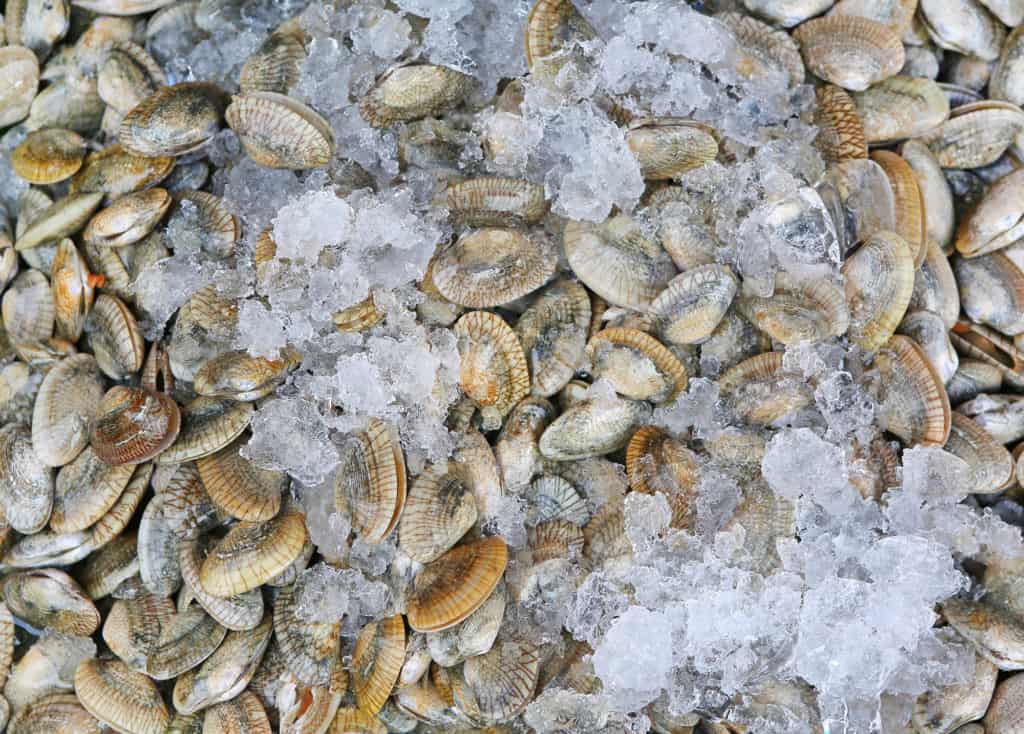
Most freshwater clams die within weeks of being added to an aquarium — and the owner usually doesn’t notice until it’s too late. These unassuming filter feeders can devastate an entire tank when they decompose undetected beneath the substrate.
Quick Answer
Freshwater clams can thrive in aquariums, but only in well-established tanks (12+ months old) with abundant microscopic food in the water column. They require soft substrate, steady water flow, and diligent monitoring. Most failures stem from starvation or undetected deaths causing ammonia spikes.
That said, when conditions are right, freshwater clams and mussels become remarkable additions to your cleanup crew. They filter particulates from the water column with impressive efficiency, clearing green water and helping maintain pristine conditions. In this comprehensive guide, we’ll cover the species you’re most likely to encounter, exactly what they need to survive, and how to avoid the pitfalls that claim most aquarium clams.
Are Freshwater Clams Good for Aquariums?
There’s ongoing debate in the hobby about whether freshwater clams belong in home aquariums at all. The honest answer: they can be excellent tank inhabitants, but only under very specific conditions that most aquariums don’t naturally provide.
? A single freshwater clam can filter up to 10-15 gallons of water per day, removing suspended algae, bacteria, and organic particles. This is why they clear green water so quickly — and why they often starve afterward.
Freshwater clams and mussels thrive best in tanks that have been running for at least a year. This maturity allows for the development of a robust microbial ecosystem that continuously produces the tiny food particles clams depend on. The tank should have a soft, sandy substrate (at least 2-3 inches deep) so clams can partially bury themselves as they would in nature. Dense plantings of [INTERNAL LINK: “live aquarium plants” -> aquarium plants guide] help generate detritus and harbor the microorganisms that sustain filter feeders.
Water flow is critical but often overlooked. Clams are sessile filter feeders — they can’t chase their food. Without adequate circulation moving food particles past their siphons, they’ll starve even in a tank full of potential nutrition. Position your clams in areas with gentle but consistent current, typically near the outflow of a filter or powerhead.
Advantages of Freshwater Clams and Mussels
When properly maintained, freshwater mollusks offer several unique benefits that other cleanup crew members simply can’t match:
Unmatched biological filtration: These filter feeders process enormous volumes of water relative to their size. They excel at removing suspended particulates that mechanical filtration misses, including free-floating algae cells, bacteria, and fine organic matter. Hobbyists struggling with persistent [INTERNAL LINK: “green water or cloudy aquarium water” -> cloudy aquarium water] often see dramatic improvement within 24-48 hours of adding clams.
Minimal space requirements: Unlike snails that roam everywhere or shrimp that need hiding spots, clams stay put. A single specimen needs only a few square inches of substrate. This makes them ideal for tanks where floor space is limited or where you want cleanup benefits without visual clutter.
Excellent compatibility: Freshwater clams get along with virtually every peaceful community fish and invertebrate. They won’t bother shrimp, snails, or bottom-dwelling fish. The only exceptions are species capable of crushing shells — [INTERNAL LINK: “freshwater puffers” -> freshwater puffer fish] being the primary concern, along with large cichlids and some loaches.
? Basic Requirements for All Freshwater Clams
Freshwater clams use calcium carbonate to build and maintain their shells, so monitoring calcium levels becomes important in soft water aquariums. If your water is naturally soft, consider adding a calcium supplement or including calcium-rich materials like crushed coral in your filter media.
Problems with Freshwater Clams and Mussels
Despite their benefits, freshwater mollusks fail in the majority of home aquariums. Understanding why helps you avoid becoming another cautionary tale.
?? Critical Warning
A decomposing clam can cause a catastrophic ammonia spike within 24-48 hours. Because clams burrow into the substrate, deaths often go unnoticed until fish start gasping at the surface. Check your clams regularly — if the shell is open and doesn’t close when touched, remove it immediately.
Starvation is the leading cause of death. Clams filter so efficiently that they can exhaust the available food supply in a matter of days. What looks like a thriving clam clearing your water is often a clam consuming its last meals before slow starvation sets in. The irony is painful: the clearer your water becomes, the hungrier your clam gets.
Poor acclimation survival rates. Many clams die within the first two weeks, never fully adjusting to their new environment. The stress of transport, sudden parameter changes, and the shock of a new microbial environment prove fatal. There’s no guaranteed solution, but slow drip acclimation over 2-3 hours improves outcomes.
Difficult species identification. The clam you receive may not be the species listed. Many freshwater clams look nearly identical, and misidentification leads to providing incorrect care. Some species require cooler temperatures, others need brackish conditions to truly thrive, and a few grow much larger than expected.
Hidden deaths. Unlike fish that float when they die, clams remain buried. By the time you notice something wrong — cloudy water, ammonia readings, stressed fish — the damage is often irreversible. This single factor accounts for more total fish deaths than the clams themselves.
How Long Will Your Freshwater Clam Live?
Lifespan in captivity varies wildly based on conditions and individual health. Some clams die within hours of introduction; others survive for several years with attentive care. In the wild, certain freshwater mussel species can live for decades — even over a century in exceptional cases. In aquariums, realistic expectations are 6 months to 2 years for most commonly available species.
The single most important factor in longevity is consistent food availability. Hobbyists who successfully maintain clams long-term almost universally supplement feeding rather than relying on naturally occurring particles alone.
? Did You Know?
Freshwater mussels are among the most endangered animals in North America. Over 70% of native species are threatened or extinct, primarily due to habitat loss and pollution. The aquarium specimens you encounter are typically Asian species — never collect native mussels from the wild.

Freshwater Clam Species Guide
The most commonly available freshwater clams belong to the Corbicula genus, collectively known as basket clams for their distinctive circular shape and pronounced ribbing. These hardy filter feeders occur naturally in both freshwater and [INTERNAL LINK: “brackish water” -> brackish aquarium fish] habitats across Asia.
In their native range, some Corbicula species are harvested for food and feature in traditional soups. For aquarists, they serve as biological filters. Unfortunately, several species have become problematic invasive species after being released into non-native waterways — another reason to never release aquarium inhabitants into the wild.
Corbicula fluminea — Asian Clam / Golden Clam
Corbicula fluminea is the most frequently encountered freshwater clam in the aquarium trade, often sold simply as “freshwater clam” or “golden clam.” Native to Southeast Asia, this species now occurs on every continent except Antarctica, making it one of the world’s most successful aquatic invasive species.
In the wild, these clams inhabit the sandy or muddy bottoms of lakes, rivers, and canals, filtering phytoplankton and bacteria from the water column. They’re remarkably adaptable, tolerating a wide range of temperatures and water conditions — which explains both their success as invaders and their relative (though still challenging) suitability for aquariums.
? Corbicula fluminea Care Overview
The shells display a yellowish-green to golden-brown coloration and may occasionally flake to reveal a white underlayer beneath — this is normal and not a sign of poor health. Shell ribbing is relatively coarse, with 7-14 ribs per centimeter, which helps distinguish this species from the similar C. fluminalis.
Corbicula fluminalis
Less commonly encountered than its cousin, Corbicula fluminalis occupies a more restricted range across Central Asia, the Middle East, and Northern Africa. While also invasive in some regions, its spread has been less dramatic than C. fluminea.
In the aquarium trade, this species is often confused with or mislabeled as C. fluminea since both share similar yellowish-green shells and overlapping care requirements. The most reliable way to distinguish them is by examining the shell ribbing: C. fluminalis displays finer, more numerous ribs (13-28 per centimeter) compared to the coarser ribbing of C. fluminea (7-14 per centimeter). C. fluminalis also tends toward a slightly flatter, more elongated profile rather than the rounder shape of C. fluminea.
? Corbicula fluminalis Care Overview
Because wild populations of C. fluminalis are less studied than those of C. fluminea, specific information about optimal conditions can be difficult to find. In practice, the same care protocols work well for both species.
Freshwater Mussel Species Guide
While mussels are predominantly marine animals, several hundred freshwater species exist worldwide. North America alone hosts at least 297 species in the Unionidae family, though most are unsuitable for aquariums due to specialized reproductive requirements involving host fish.
Freshwater mussels typically grow larger than clams and require correspondingly larger tanks. They’re found naturally in flowing rivers, creeks, and streams rather than still ponds. Some species are commercially cultured for pearl production, though the pearls from freshwater mussels are generally less valuable than those from marine oysters.
Pilsbryoconcha exilis — Asian Gold Clam
Despite its common name, Pilsbryoconcha exilis is actually a mussel, not a clam. It’s the most frequently available freshwater mussel in the aquarium trade and one of the more visually striking options, displaying attractive golden-brown shells that can become quite impressive in size.
Native to Southeast Asia, this species can reach up to 8 inches (20 cm) in length — making it one of the larger filter feeders available to hobbyists. Unlike many bivalves that bury completely, P. exilis typically rests on top of the substrate or only partially buries itself, making observation easier and dead specimens more readily detected.
? Pilsbryoconcha exilis Care Overview
These mussels are primarily nocturnal, becoming most active after lights-out. You may observe them using their muscular foot to slowly traverse the tank bottom — a fascinating behavior to witness. Due to their larger size, they require more food than smaller clams and are recommended only for experienced keepers with well-established, heavily-planted tanks.
Other Freshwater Mussels
A few other freshwater mussels occasionally appear in the hobby, including the Taiwan pond mussel (Sinanodonta lauta) and the shark fin mussel (Hyriopsis bialatus). However, these species are difficult to source, poorly documented in captive care literature, and have even lower success rates than the more common options.
If you encounter an unfamiliar mussel species, research carefully before purchasing. Many freshwater mussels have complex life cycles requiring specific host fish for their larvae (called glochidia), making long-term reproduction impossible in home aquariums. While this doesn’t affect adult survival, it does mean the hobby depends entirely on wild-caught or commercially-raised specimens.
?? Never Collect Wild Mussels
Wild-caught mussels and clams present serious risks. They may carry parasites, diseases, or invasive hitchhikers that could devastate your aquarium. You cannot accurately assess the water parameters of their collection site, and the stress of capture and transport dramatically increases mortality. Additionally, many native freshwater mussel species are protected by law due to conservation concerns.
How to Feed Freshwater Clams
Feeding is the make-or-break factor in freshwater clam keeping. Natural food sources in most aquariums are insufficient for long-term survival, so supplemental feeding is essentially mandatory.
? Pro Tip
The best long-term clam keepers often maintain a separate “green water” culture — a jar or small tank of algae-rich water exposed to light. This provides an ongoing supply of live phytoplankton to supplement their clams. Even adding a cup of green water every few days dramatically improves survival rates.
Phytoplankton supplements: Commercial liquid phytoplankton (sold for reef aquariums and filter feeders) works well. Dose according to package directions, typically a few drops to a teaspoon depending on tank size. Target feed near the clam’s location for best results.
Powdered foods: Finely powdered spirulina, crushed fish food, or specialized invertebrate foods can supplement the diet. These must be extremely fine to remain suspended long enough for filter feeding.
Maintaining natural food sources: Densely planted tanks with [INTERNAL LINK: “nano aquarium plants” -> tiny aquarium plants] generate continuous detritus and host thriving populations of infusoria and beneficial bacteria. This biological productivity helps sustain clams between supplemental feedings.
Green water: Intentionally cultivated algae-rich water provides the most natural food source. Some keepers maintain a green water culture specifically for feeding their clams and other filter feeders.
Species Comparison Table
| Species | Common Name | Max Size | Min Tank | Difficulty |
|---|---|---|---|---|
| Corbicula fluminea | Asian/Golden Clam | 3″ (7.6 cm) | 10 gal | Advanced |
| Corbicula fluminalis | Freshwater Clam | 2.5″ (6 cm) | 10 gal | Advanced |
| Pilsbryoconcha exilis | Asian Gold Clam | 8″ (20 cm) | 15 gal | Expert |
| Sinanodonta lauta | Taiwan Pond Mussel | 6″ (15 cm) | 15 gal | Expert |
Can You Eat Freshwater Clams or Mussels?
While certain freshwater clams and mussels are consumed in various cultures worldwide, foraging your own from local waterways is strongly discouraged for several important reasons.
Bioaccumulation of toxins: Because clams and mussels are such efficient filter feeders, they concentrate pollutants, heavy metals, pesticides, and other contaminants present in their water. Consuming wild-caught specimens from polluted waterways (which includes most accessible freshwater sources near human populations) can expose you to dangerous levels of these substances.
Ecological impact: Removing clams and mussels from their natural habitat disrupts local ecosystems. These filter feeders play crucial roles in water quality and nutrient cycling. Given that many freshwater mussel species are already endangered, harvesting them for food further stresses vulnerable populations.
Culinary disappointment: Those who have tried wild-caught freshwater clams almost universally describe them as fishy, muddy, and unpleasant compared to their marine counterparts. The species raised for food are specifically cultivated in controlled conditions that produce better-tasting results.
If you’re interested in eating clams or mussels, purchase them from reputable seafood suppliers who source from regulated, tested waters or aquaculture operations.
Conclusion: Is a Freshwater Clam Right for Your Tank?
Freshwater clams and mussels occupy a unique niche in the aquarium hobby — they offer benefits no other cleanup crew member can match, but they also demand more expertise and attention than most invertebrates. The question isn’t whether they’re “good” or “bad” for aquariums, but whether your specific setup can meet their demanding requirements.
Consider a freshwater clam if:
- Your tank has been running successfully for at least 12 months
- You have a sandy substrate and abundant plant growth
- You’re committed to supplemental feeding (phytoplankton, green water)
- You’ll check on your clams regularly and test water parameters frequently
- You’re prepared to remove a dead specimen immediately if needed
Skip the freshwater clam if:
- Your tank is new or still cycling
- You have gravel substrate or sparse plantings
- You prefer low-maintenance invertebrates
- Your tank contains puffers, large cichlids, or shell-crushing fish
For hobbyists who meet the requirements and enjoy the challenge, freshwater clams offer a fascinating glimpse into filter-feeding biology and can dramatically improve water clarity. Just go in with realistic expectations, a feeding plan, and the understanding that these aren’t beginner-friendly animals.
Frequently Asked Questions
How do I know if my freshwater clam is dead?
A healthy clam will close its shell when disturbed or removed from water. If the shell remains open and doesn’t respond to touch, or if you notice a foul smell, the clam is dead and should be removed immediately to prevent an ammonia spike. Regularly check your clams — at least every 2-3 days.
What do freshwater clams eat in an aquarium?
Freshwater clams filter microscopic particles from the water column, including phytoplankton, bacteria, algae cells, and fine detritus. In aquariums, natural food sources are often insufficient, so supplementation with liquid phytoplankton, powdered spirulina, or cultured green water is typically necessary for long-term survival.
Can freshwater clams reproduce in aquariums?
Corbicula clams are hermaphroditic and can reproduce in aquariums, though this is uncommon. Freshwater mussels have complex life cycles requiring specific host fish for their larvae, making aquarium reproduction extremely unlikely. Most aquarium specimens will not reproduce successfully.
Do freshwater clams need a filter?
Yes, but not for the reasons you might expect. While clams themselves provide biological filtration, they need water movement to bring food particles past their siphons. A filter or powerhead creates the circulation necessary for clams to feed effectively. Avoid filters that remove too many fine particles, as this competes with the clams for food.
Will freshwater clams clear green water?
Yes, often dramatically and quickly. A single clam can filter 10-15 gallons per day, consuming the suspended algae that causes green water. However, this creates a dilemma: once the water clears, the clam loses its primary food source. Without supplemental feeding, clams that clear green water often starve within weeks.
If you have questions about keeping freshwater clams or want to share your own experiences with these fascinating filter feeders, leave a comment below.


