Your fish fry are starving, your adult fish are bored with flakes, and you’ve heard brine shrimp are the answer—but where do you even start? Whether you’re trying to boost growth rates in juvenile fish or simply want to watch your tank come alive at feeding time, brine shrimp deliver results that commercial foods simply can’t match.
Quick Answer
Brine shrimp (Artemia salina) contain up to 60% protein by dry weight, making them one of the most nutritious live foods available. They’re easy to hatch at home in 24-36 hours using saltwater, warmth, and aeration. Both freshly hatched nauplii (for fry) and adult brine shrimp (for larger fish) provide excellent nutrition and stimulate natural hunting behaviors.
In this comprehensive guide, we’ll cover everything you need to know about brine shrimp—what they are, the specific benefits they provide for different types of fish, and a detailed walkthrough of how to hatch and raise your own. It’s genuinely one of the easiest live food cultures to maintain, and your fish will show their appreciation with vibrant colors and enthusiastic feeding responses.
? What You’ll Need to Get Started
- Brine shrimp eggs (Artemia cysts) — a small vial lasts months
- Aquarium sea salt — not table salt
- Hatching container (DIY or dedicated hatchery kit)
- Air pump and airline tubing
- Light source (desk lamp works perfectly)
- Fine mesh brine shrimp net
What Are Brine Shrimp?
Brine shrimp (scientific name: Artemia salina, often referred to simply as “Artemia”) are small saltwater crustaceans found primarily in inland salt lakes and evaporation ponds around the world—from the Great Salt Lake in Utah to salt flats across Europe and Asia. Despite being saltwater creatures, they possess a remarkable ability to survive in a wide range of salinities, from nearly fresh water to concentrations several times saltier than the ocean.
This exceptional salinity tolerance is precisely what makes brine shrimp so valuable as live food for aquarium fish. You can hatch them in saltwater, give them a quick rinse, and feed them to freshwater fish without concern. They’ll remain alive and swimming in your tank long enough for even the slowest feeders to catch them.
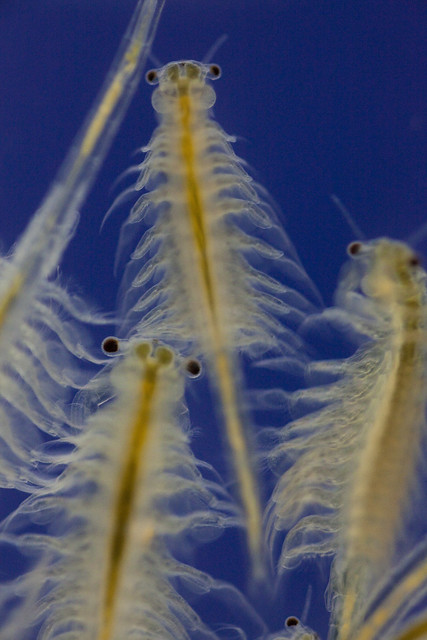
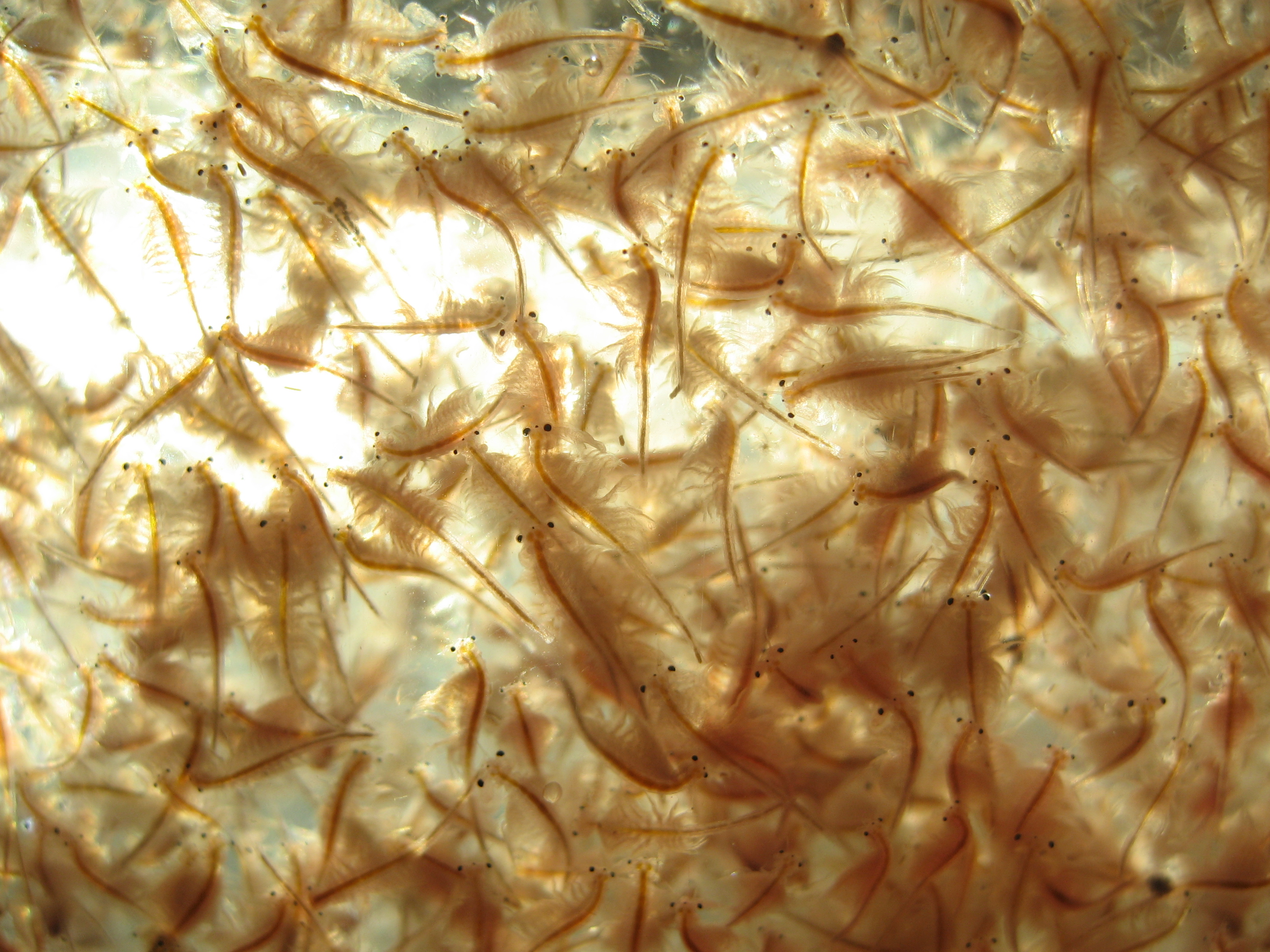
Physically, brine shrimp are fascinating creatures with eleven pairs of leaf-like legs called phyllopods, which they use for both swimming and filter-feeding. They have a segmented body, a forked tail, and distinctive stalked compound eyes that give them nearly 360-degree vision. Adults typically reach 12 to 15 millimeters in length (roughly half an inch), though some individuals in optimal conditions can grow slightly larger.
? Did You Know?
Brine shrimp are so easy to hatch that they’ve been sold as novelty pets for children since the 1950s—you might know them as “Sea-Monkeys”! The same eggs used in those kits are identical to what aquarists use. Artemia eggs can remain viable for decades when kept dry, with some reports of successful hatches from eggs stored for over 10 years.
The Benefits of Brine Shrimp as Fish Food
The protein content of brine shrimp is genuinely impressive—up to 60% of their dry weight consists of high-quality protein, along with essential fatty acids, vitamins, and amino acids that support fish health, coloration, and breeding condition. This nutritional density makes them particularly valuable for growing out fry, conditioning breeding pairs, and maintaining the health of carnivorous and omnivorous species.
? Freshly hatched brine shrimp (nauplii) contain their yolk sac, making them most nutritious within the first 24 hours after hatching. After this window, their nutritional value decreases unless you “gut-load” them with supplemental foods like spirulina or commercial enrichment products.
Beyond raw nutrition, brine shrimp offer several practical advantages that make them a staple in serious fishkeeping:
- Natural hunting stimulation: The jerky, erratic swimming motion of brine shrimp triggers predatory instincts in fish. This enrichment benefit keeps fish mentally stimulated and physically active—you’ll notice more natural behavior and often see shy fish become bolder at feeding time.
- Digestive ease: Unlike freeze-dried or heavily processed foods, live brine shrimp are soft-bodied and easy for fish to digest. This is especially important for species prone to bloating or constipation, like bettas and fancy goldfish.
- Universal compatibility: Because of their salinity tolerance, brine shrimp work in freshwater, brackish, and marine aquariums. You only need one culture to feed all your tanks.
- Disease-free feeding: Unlike wild-caught foods like tubifex worms or feeder fish, brine shrimp rarely carry parasites or bacterial infections that can transfer to your fish. When you hatch them yourself in clean conditions, this risk drops to essentially zero.
- Perfect fry food: Newly hatched brine shrimp (nauplii) measure just 400-500 microns—small enough for most fish fry to eat once they’ve absorbed their yolk sacs. This makes them invaluable for raising livebearers, egg-layers, and even notoriously difficult species.
Which Fish Can Eat Brine Shrimp?
The better question might be: which fish can’t eat brine shrimp? Almost every commonly kept aquarium species will accept them eagerly. Bettas go absolutely wild for them, as do tetras, rasboras, barbs, danios, killifish, and most cichlids. Bottom-dwellers like corydoras catfish and kuhli loaches will eagerly snatch any that sink to the substrate. Even typically herbivorous fish will often accept brine shrimp as an occasional protein boost.
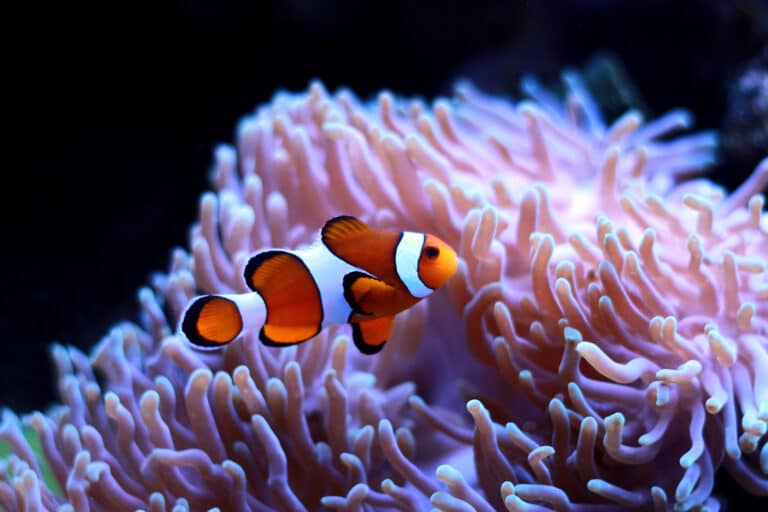
For marine aquariums, brine shrimp are excellent for clownfish, damsels, wrasses, gobies, seahorses, and most reef-safe fish. Many coral species and filter-feeding invertebrates will also consume brine shrimp nauplii.
Setting Up Your Brine Shrimp Hatchery
You have two main options for hatching brine shrimp: purchase a dedicated hatchery kit or build your own setup. Both work well, and your choice depends on how much you plan to hatch and whether you enjoy DIY projects.
Option 1: Commercial Hatchery Kits
Pre-made hatchery kits like the Brine Shrimp Direct Hatchery are convenient and compact. They typically include a cone-shaped container, airline tubing, and sometimes a light. These work well for hobbyists who need small quantities regularly—enough to feed a few tanks without taking up much space.
Option 2: DIY Hatching Setup
For larger batches or if you want more control, building your own hatchery is straightforward and inexpensive. The classic method uses a 2-liter soda bottle inverted into a stand, with airline tubing running to the bottom. The cone shape concentrates hatched shrimp at the bottom for easy harvesting.
For a more sophisticated approach that separates hatched shrimp from unhatched eggs automatically, you can create a divided tank:
- Use a small tank or container divided by an opaque partition that blocks light
- The larger side (about two-thirds of the tank) is where eggs hatch—this section should be blacked out completely
- The smaller side remains lit
- A small hole (1-2 inches diameter) near the bottom of the divider allows hatched nauplii to swim toward the light
- This phototaxis response naturally separates live shrimp from egg shells and unhatched cysts
? Pro Tip
The simplest beginner setup is a clean 2-liter bottle with the bottom cut off, inverted into a cup or holder, with an airline running to the bottom. Add saltwater, eggs, point a desk lamp at it, and you’ll have shrimp in 24 hours. Don’t overcomplicate your first attempt.
Optimal Water Parameters for Hatching
Getting your water chemistry right is essential for good hatch rates. Brine shrimp eggs are remarkably tolerant, but optimal conditions will give you the fastest hatching times and highest survival rates.
? Hatching Parameters at a Glance
Use dechlorinated water and marine aquarium salt (like Instant Ocean)—not table salt, which contains anti-caking agents that can harm the shrimp. If your tap water is soft or acidic, adding a pinch of baking soda can help maintain the higher pH that brine shrimp prefer.
?? Important
Never use table salt or rock salt for hatching brine shrimp. These contain iodine and anti-caking agents that significantly reduce hatch rates and can kill nauplii. Always use aquarium-specific marine salt or pure non-iodized sea salt.
The Hatching Process: Step by Step
Once your hatchery is assembled and your saltwater is prepared, you’re ready to start. Here’s exactly how to do it:
Fill your hatchery with prepared saltwater
Use water at the correct salinity (25 ppt) and temperature (80-82°F). If using a cold room, a small aquarium heater can maintain temperature.
Start aeration before adding eggs
Turn on your air pump and ensure bubbles are vigorous enough to keep eggs suspended and tumbling. Eggs that sink and sit on the bottom won’t hatch properly.
Add brine shrimp eggs
Use approximately 1 gram of eggs per liter of water. A level quarter teaspoon is roughly 1 gram. Don’t overdo it—overcrowding leads to poor hatch rates.
Provide continuous light
Position a desk lamp or aquarium light near the hatchery. Light improves hatch rates and, after hatching, helps you separate live nauplii from shells using their attraction to light (phototaxis).
Wait 24-36 hours
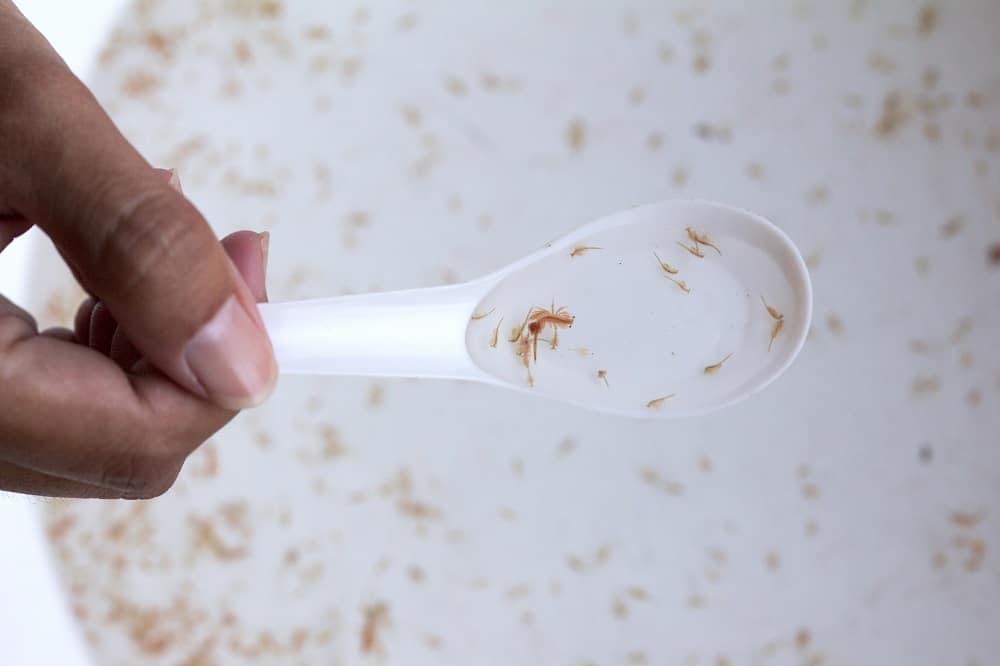
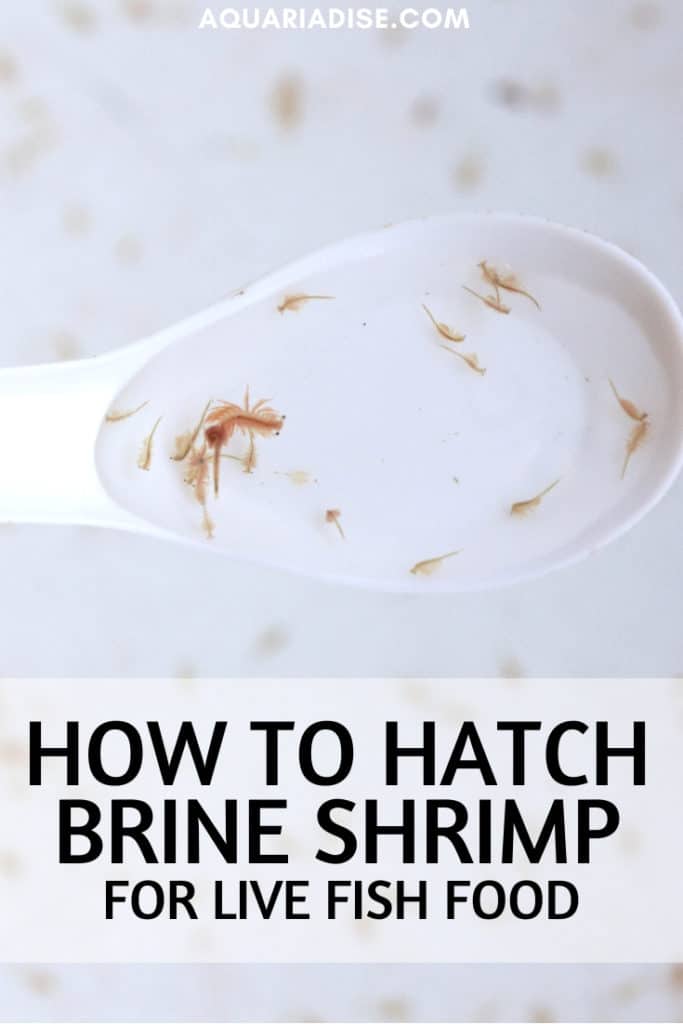
Check after 24 hours. At optimal temperatures, most eggs will have hatched. In cooler conditions, you may need to wait up to 36 hours. You’ll see tiny orange specks swimming erratically—those are your nauplii.
Harvest and separate
Turn off aeration and shine a light at the bottom of the container. Nauplii will swim toward the light, while empty shells float to the surface. Siphon or net the concentrated shrimp from near the light source.

Growing Brine Shrimp to Adulthood
While freshly hatched nauplii are perfect for fry and small fish, sometimes you want larger brine shrimp for bigger fish or to gut-load them with additional nutrition. Growing brine shrimp to adulthood requires a bit more space and attention, but it’s entirely doable.
Transfer your hatched nauplii to a separate grow-out tank with matching water parameters. A shallow container with gentle aeration works well—brine shrimp don’t need depth, but they do need oxygen. Keep the salinity consistent to avoid shocking them during transfer.
To feed growing brine shrimp, you’ll need to provide microscopic food sources. Excellent options include:
- Spirulina powder — Mix a tiny amount into the water until it’s barely tinted green
- Yeast — Active dry yeast suspended in water works as an emergency food
- Commercial enrichment formulas — Products like Selcon add omega fatty acids that transfer to your fish
- Phytoplankton — Live or preserved microalgae is the most natural option
Feed sparingly—the water should clear within a few hours. Overfeeding fouls the water quickly and will kill your culture. With proper feeding, brine shrimp reach adult size in about two weeks.
Feeding Brine Shrimp to Your Fish
Proper preparation before feeding ensures your fish get the maximum benefit without any water quality issues in your display tank.
Harvest with a fine mesh net
Use a dedicated brine shrimp net with mesh fine enough to catch nauplii (around 120-150 microns).
Rinse briefly with fresh water
Run dechlorinated tap water over the netted shrimp for 5-10 seconds. This removes excess salt that could affect freshwater tank parameters.
Add to tank or holding container
Either feed directly to your fish or place in a small container of tank water if you need to portion out feedings throughout the day.
Feed only what your fish can consume within a few minutes. Uneaten brine shrimp will eventually die in freshwater (though they can survive for an hour or more), and decaying shrimp will affect water quality. Start with small amounts and adjust based on how quickly your fish consume them.
? Pro Tip
For maximum nutrition, feed brine shrimp within 24 hours of hatching while they still contain their yolk sac. If you need to store them longer, keep them refrigerated (around 40°F) in saltwater—cold temperatures slow their metabolism and preserve their nutritional content for up to a week.
Conclusion
Brine shrimp remain one of the most reliable, nutritious, and practical live foods available to aquarium hobbyists. With up to 60% protein content, minimal disease risk, and versatility across freshwater and marine systems, they’ve earned their place as a staple in fishrooms around the world.
The hatching process is genuinely simple—saltwater, warmth, aeration, and patience are all you need. Whether you’re raising fry that are too small for commercial foods, conditioning a breeding pair, or just want to see your fish exhibit natural hunting behaviors, brine shrimp deliver results you’ll notice immediately.
If you’ve been hesitant to try live food cultures, brine shrimp are the perfect starting point. The investment is minimal, the process is forgiving, and your fish will thank you with enthusiasm at every feeding.
Have questions about hatching brine shrimp or want to share your own setup? Drop a comment below—we’d love to hear about your experience with this classic live food.
Looking to expand your live food options? Check out our guides to other easy-to-culture foods:
- How to Culture Daphnia — another excellent freshwater live food
- Culturing Blackworms — high-protein food for larger fish
- Culturing Grindal Worms — perfect for small to medium fish
[INTERNAL LINK: “fish fry” -> raising fish fry/breeding guides]
[INTERNAL LINK: “live food” -> live food overview article if exists]
Frequently Asked Questions
How long do brine shrimp eggs last in storage?
Brine shrimp eggs (cysts) can remain viable for years when stored properly. Keep them in a cool, dry place in an airtight container. Refrigeration extends viability even further. Some aquarists report successful hatches from eggs stored for over a decade, though hatch rates may gradually decline over time.
Can brine shrimp live in freshwater?
Brine shrimp can survive in freshwater for 30-60 minutes or longer, which is plenty of time for your fish to eat them. They cannot reproduce or thrive long-term in freshwater, but this temporary survival is what makes them so practical as food for freshwater aquariums.
Why won’t my brine shrimp eggs hatch?
The most common causes of poor hatch rates are incorrect salinity (too low or too high), cold temperatures (below 75°F significantly slows hatching), inadequate aeration (eggs must tumble continuously), or using old/improperly stored eggs. Also ensure you’re using marine salt, not table salt with iodine.
How often should I feed brine shrimp to my fish?
For most aquarium fish, 2-3 times per week as part of a varied diet is ideal. Fish fry being raised on brine shrimp may need daily feedings. Brine shrimp are nutritious but shouldn’t be the only food—variety ensures complete nutrition.
What’s the difference between baby brine shrimp and adult brine shrimp?
Freshly hatched brine shrimp (nauplii) are 400-500 microns—tiny enough for most fry. They contain their nutrient-rich yolk sac, making them most nutritious in the first 24 hours. Adult brine shrimp are 8-15mm (about half an inch), suitable for larger fish. Adults can be gut-loaded with supplements to boost their nutritional value.