

Choosing the wrong substrate is one of the fastest ways to create problems in a new aquarium. The gravel you pick affects everything from water chemistry to whether your plants will actually grow—and some types can even injure your fish.
Quick Answer
For most freshwater tanks, use 1.5-2 inches of smooth, inert gravel (pea gravel is the most popular choice). Planted tanks need a nutrient layer underneath. Avoid sharp-edged gravel if you keep bottom-dwellers or long-finned fish.
Why Gravel Is the Most Popular Substrate
Gravel remains the go-to substrate for home aquariums for good reasons: it’s affordable, comes in virtually any color, and provides excellent surface area for beneficial bacteria to colonize.
Most aquarists prefer smooth gravel with a small diameter (around 3-5mm). This size is gentle on fish while still anchoring plants securely. It also allows water to flow freely through the substrate, which prevents the anaerobic pockets that can form in compacted sand.
[WARNING] Watch for Sharp Edges
If you keep bettas, fancy goldfish, or any species with delicate flowing fins, check gravel for sharp or flinty fragments before buying. Bottom-dwellers like corydoras catfish use sensitive barbels to forage—rough gravel can damage or tear these off, leading to bacterial infections.
Types of Aquarium Gravel
Never collect gravel from rivers or beaches—it can introduce parasites, pollutants, and hitchhiking organisms into your tank. Buy aquarium-specific gravel from a fish store instead.
| Gravel Type | Best For | Watch Out For |
|---|---|---|
| Pea Gravel | Natural look, planted tanks, undergravel filters | Very dusty—requires extensive rinsing; may contain sharp pieces |
| Inert Gravel | Soft water fish (discus, tetras), tanks where stable pH is critical | May be more expensive than standard options |
| Colored Gravel | Kids’ tanks, decorative setups, African cichlid tanks (if dolomite-based) | Often made from white dolomite, which raises pH and hardness |
Pea Gravel

Carib Sea Gemstone Creek Gravel 50 lbs
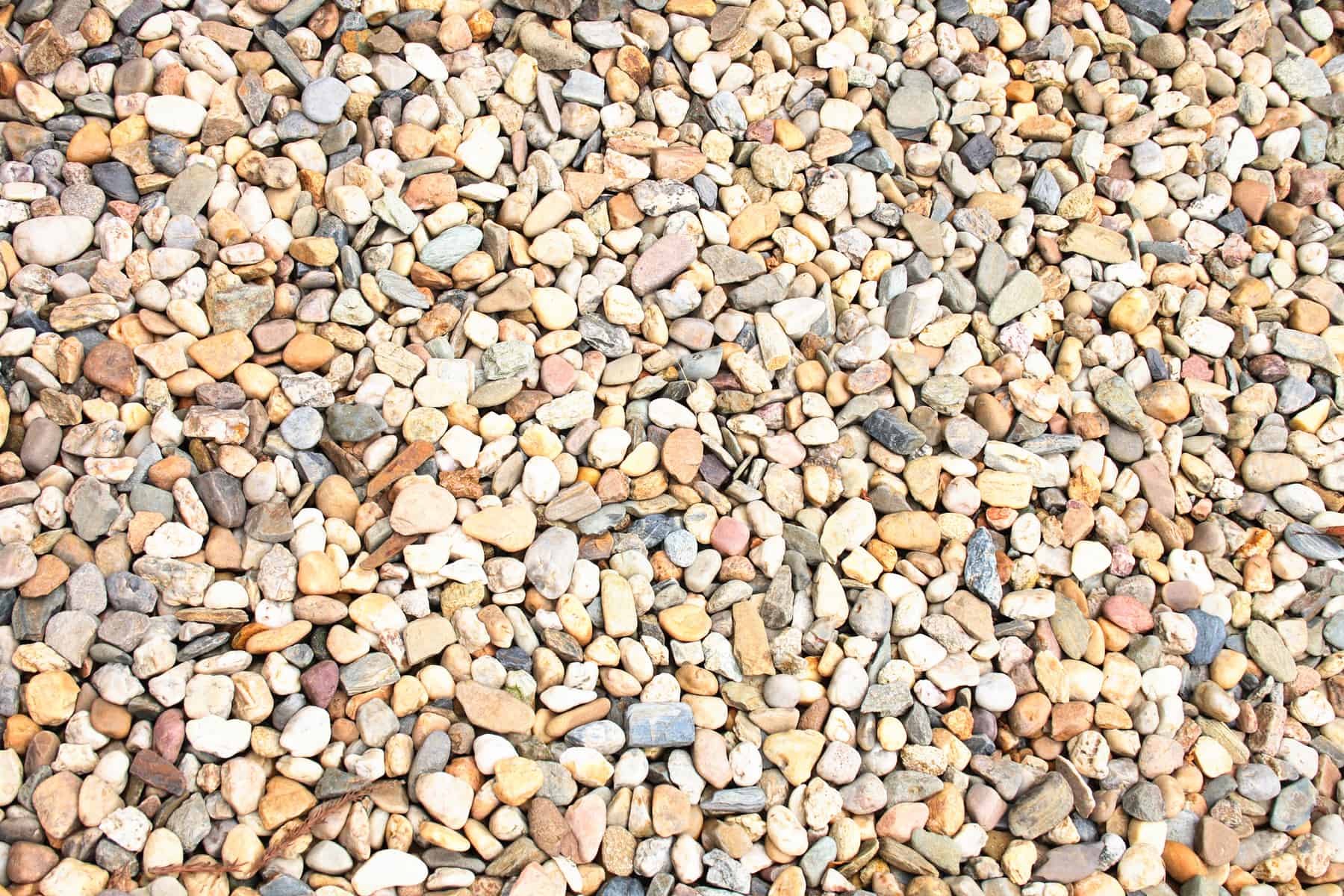
The most popular choice for aquarists who want a natural look. Pea gravel is made from small fragments of various stones and is largely inert, meaning it won’t alter your water chemistry. It works well with planted tanks and undergravel filters.
The main drawback: pea gravel is notoriously dusty. Plan to spend significant time rinsing it before adding it to your tank.
Colored Gravel

Spectrastone Permaglo Rainbow Aquarium Gravel
Most colored gravel is made from white dolomite, which contains magnesium and calcium. This raises pH and hardness—perfect for African Rift Lake cichlids, but problematic if your fish need neutral or soft water. You’d need to buffer constantly to maintain stable chemistry.
Inert Gravel
Inert gravel contains no minerals that affect water parameters. This is essential for species like discus, angelfish, and many tetras that require soft, acidic water. If stable water chemistry is your priority, inert gravel is worth the slightly higher price.
Gravel for Planted Tanks
Gravel provides a much better anchor for plant roots than sand. However, gravel alone doesn’t contain the nutrients plants need to thrive.
[TIP] Pro Tip
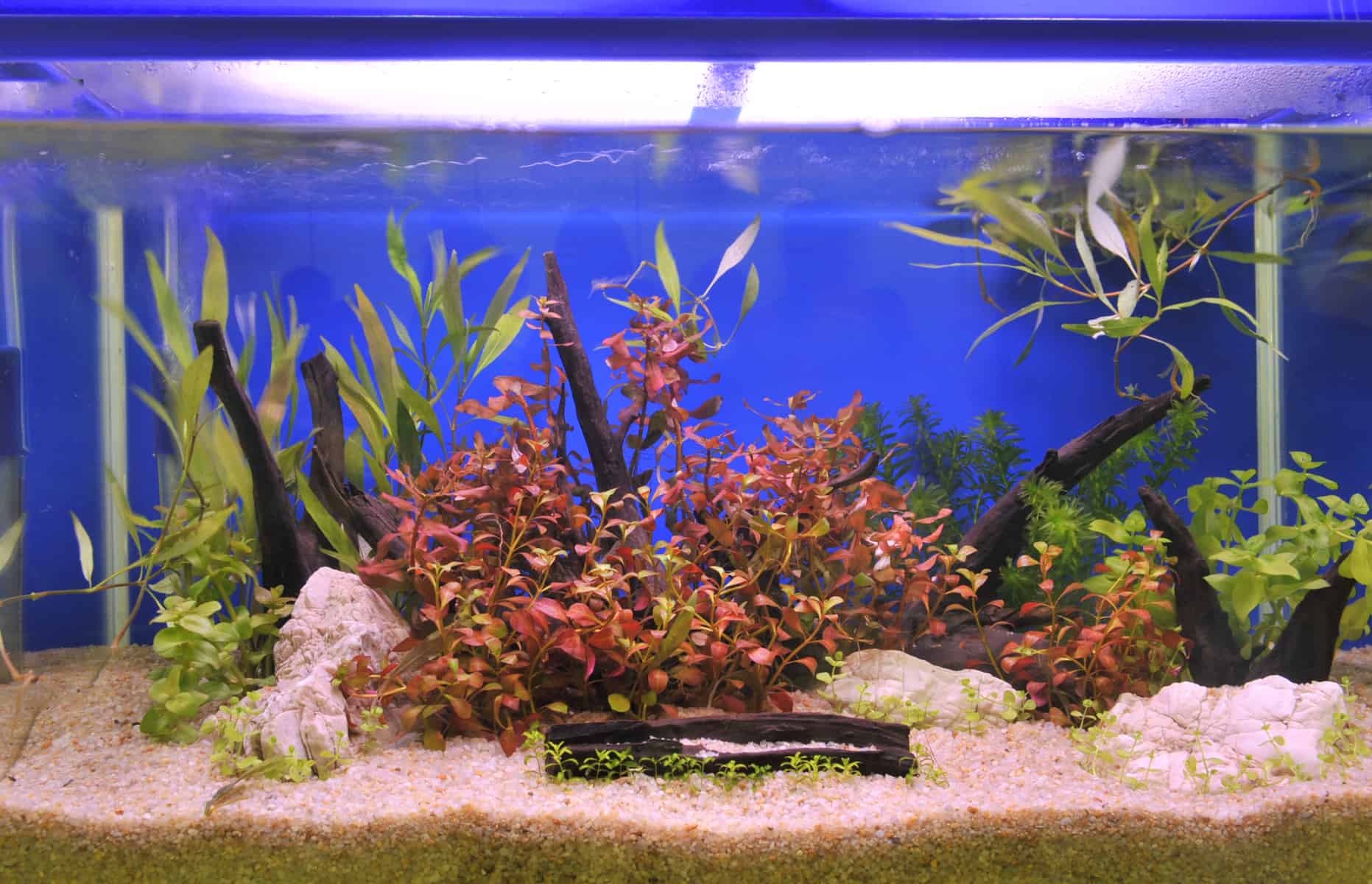
For planted tanks, layer your substrate: spread 1 inch of nutrient-rich planting medium on the bottom, then add 2 inches of gravel on top. For tanks larger than 55 gallons, increase the gravel layer to 3 inches.
Fish waste naturally works its way into gravel over time, providing additional fertilizer for your plants. This is one reason gravel outperforms sand for most planted setups. [INTERNAL LINK: “best plants for beginners” -> beginner aquarium plants]
How Much Gravel Do You Need?
The depth depends on your tank size, whether you have plants, and your filtration type.
Substrate Depth Guidelines
- Tanks up to 55 gallons: 1.5 – 2 inches
- Tanks over 55 gallons: 3 – 4 inches
- Undergravel filters: Add an extra 0.5 – 1 inch (use coarser gravel)
- Planted tanks: 1 inch nutrient layer + 2-3 inches gravel
Quick Calculation Method
To estimate how many pounds of gravel you need:
- Measure your tank’s length and width in inches
- Multiply them together
- The result equals the pounds needed for a 1.5-2 inch layer
Example: A 20″ x 40″ tank needs approximately 80 lbs of gravel (20 x 40 = 80). To convert to kilograms, divide by 2.2 (80 ÷ 2.2 = 36.3 kg).
You can also use an online substrate calculator to do the math for you.
Benefits of Gravel Substrate
Better water flow: Gravel allows water to circulate freely, which is essential for undergravel filters and helps prevent anaerobic bacteria pockets.
Won’t cloud your water: Unlike sand, gravel stays put when fish dig or when you’re doing maintenance. No floating particles to clog filters.
Massive bacterial surface area: Each piece of gravel hosts beneficial bacteria that process ammonia and nitrites. A gravel bed provides significantly more colonization area than a bare-bottom tank.
Supports plant growth: Provides stable anchoring for root systems and traps organic waste that fertilizes plants naturally.
Design flexibility: Available in colors from natural earth tones to jet black to bright rainbow—customize to match any aesthetic.
Disadvantages of Gravel
Traps debris: Food, waste, and detritus fall between gravel pieces and decompose. Without regular vacuuming, this degrades water quality over time.
Live food escapes: Bloodworms, brine shrimp, and other live foods can burrow into gravel and die before fish eat them—wasting money and polluting the tank.
Requires thorough rinsing: Even “pre-washed” gravel contains dust. You’ll need to rinse repeatedly until water runs clear before adding it to your tank. With multiple bags, this can take considerable time.
Potential injury risk: Low-quality or improperly screened gravel may contain sharp fragments that can harm delicate fish or snails.
How to Clean and Maintain Gravel
Before adding to your tank: Rinse gravel in a bucket under running water, stirring frequently, until the water runs completely clear. This may take 5-10 rinses for dusty pea gravel.
Ongoing maintenance: Use an aquarium vacuum or gravel siphon weekly to remove debris that has settled between gravel pieces. This removes dirty water simultaneously, so incorporate it into your regular water change routine.
[FACT] You don’t need to vacuum the entire substrate every week. Rotate through different sections of the tank to avoid disrupting too much beneficial bacteria at once.
Final Verdict
Gravel remains the most practical substrate choice for most freshwater aquariums. It’s affordable, widely available, and works well for both fish-only and planted setups. The main commitment is regular vacuuming to prevent waste buildup.
For soft-water fish, stick with inert gravel. For planted tanks, layer nutrient medium underneath. And always check for sharp edges before buying if you keep bottom-dwellers or long-finned species.
Frequently Asked Questions
Can I mix gravel with sand in my aquarium?
Yes, but over time the sand will sink below the gravel due to weight differences. If you want both, create distinct zones rather than mixing them together, or accept that they’ll separate naturally.
How often should I replace aquarium gravel?
With proper maintenance, quality gravel lasts indefinitely. You only need to replace it if it becomes excessively compacted, starts affecting water chemistry, or you want a different look.
Is gravel or sand better for a planted aquarium?
Gravel is generally better for planted tanks. It provides secure anchoring for roots and allows nutrient-rich water to reach the root zone. Sand compacts tightly and can suffocate roots in some plants.
Does gravel color affect fish behavior?
Darker substrates often help fish feel more secure and can enhance their coloration. Very bright or unnatural colors may stress some species, though many fish adapt without issues.
What size gravel is best for aquariums?
Most aquarists prefer 3-5mm diameter gravel. This size is small enough to be gentle on fish but large enough to allow good water flow and prevent debris from sinking too deep to vacuum.


