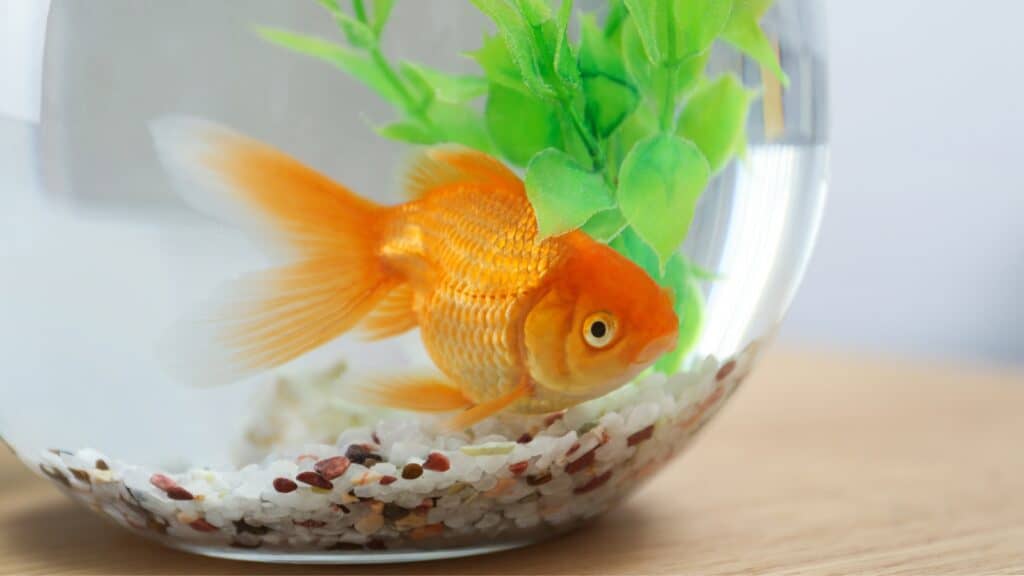
One of the most atrocious myths about goldfish care is that they live happily in fish bowls. Sadly, this has led to millions of fish being kept in very inhumane conditions.
The truth is that goldfish should never be kept in bowls, and animal welfare activists have already succeeded in getting goldfish bowls banned in several countries.
With increased awareness, goldfish bowls may well receive the same ban around the world and become a relic of our history books. Here we’ll explore why.
Key Takeaway
- Goldfish are large fish, growing up to a foot long in some cases. Goldfish bowls are simply too small to accommodate them.
- Goldfish produce a lot of waste. A goldfish bowl is too small to install an efficient filtration system to keep the habitat clean and safe for the fish.
- Water parameters and temperatures are less stable in small containers. Volatile temperatures and water chemistry can lead to stress or even shock, ill health, and death.
- The curved shape of a glass bowl distorts the fish’s view of the outside world, meaning movement outside causes constant stress.
- An open-topped fishbowl risks fish jumping out, and predators and pollutants entering.
- Finally, goldfish are social fish that prefer to live with other fish. Goldfish bowls are too small for a single goldfish, let alone several.
Where in the World Are Goldfish Bowls Banned?
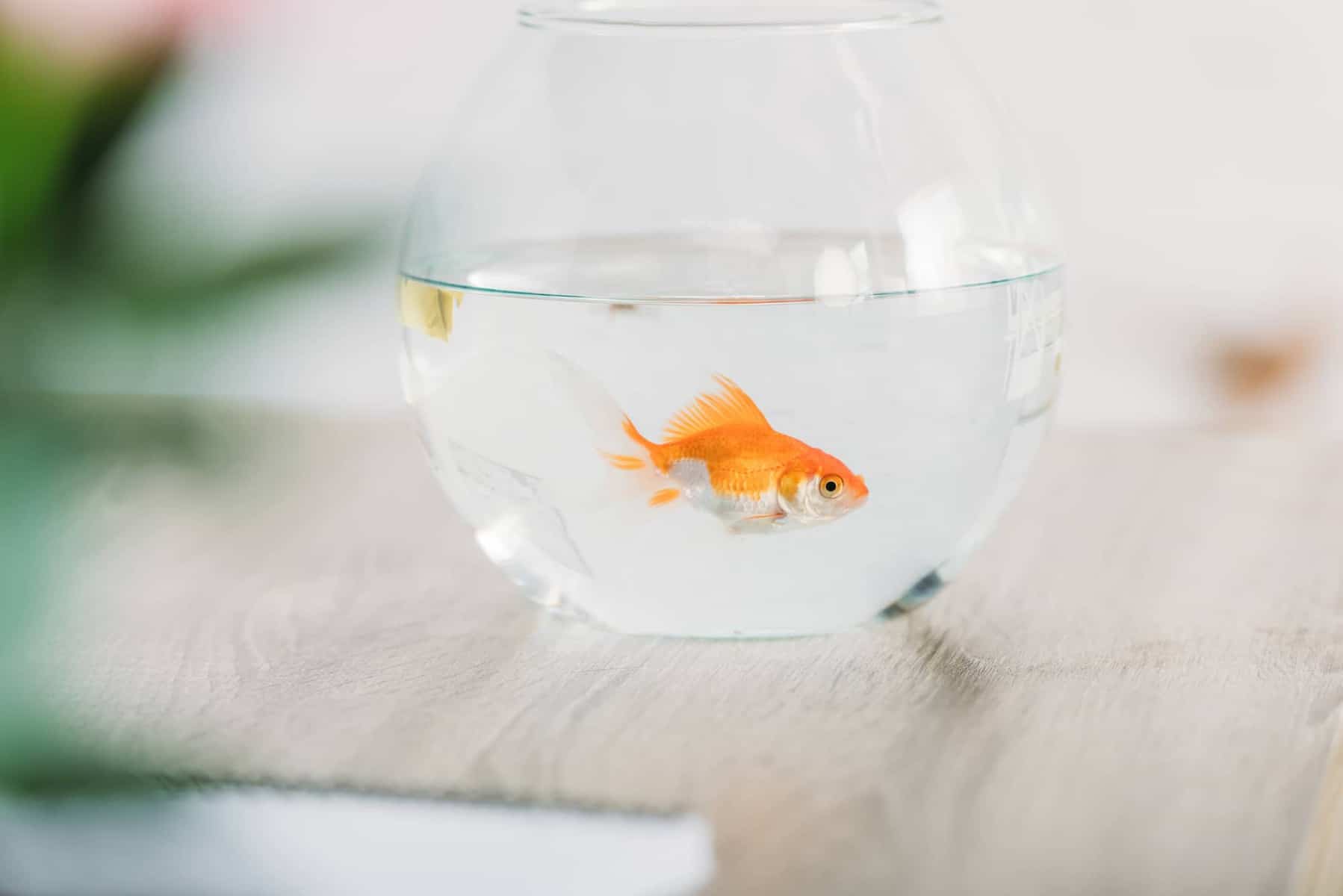
In October 2005, the Italian city of Rome established a ban on goldfish as fairground prizes and on keeping pet fish in bowls.
The newspaper Il Messaggero claimed that fish bowls can cause fish to go blind. Other cities, including Monza in Italy and several cities in Mexico and Sweden, followed suit by establishing their own laws on goldfish welfare.
Since 2008, Switzerland made it illegal to keep single goldfish because they are deemed happier living in groups with additional goldfish.
Finland has also passed a law banning the sale of goldfish bowls, and several other countries such as Belgium and New Zealand are considering a ban.
With the efforts of animal rights activists and animal welfare experts, much of the rest of the world may be soon banning fish bowls, too.
Why Are Goldfish Bowls Cruel?
There are several reasons that fish bowls are considered inhumane.
Size Matters
Did you know that you’ll never find a goldfish living in wild natural habitats? That’s because goldfish are the domesticated descendants of a species of wild carp.
This might be surprising since carp are large fish, but most goldfish can grow fairly big, too.
Long-bodied goldfish such as Comets are more at home in a pond rather than a tank, growing up to 12 inches long. Even one-inch-long baby Calico fantail goldfish will reach at least 6 inches in length as adult goldfish.
Goldfish are quick growers and active swimmers — a cramped bowl is no place for fish of that size.
Goldfish Keep Growing Even in Small Bowls
You’ve probably heard that goldfish only grow to fit the size of whatever bowl or tank they’re kept in. But while a small bowl will slow down the fish’s growth rate, it will continue to grow, albeit with potential deformities from the cramped conditions.
Goldfish are highly active creatures that appreciate plenty of swimming space. Long-bodied goldfish are especially fast swimmers, and even their round-bodied fancy counterparts like to spend their time exploring the tank. If they don’t have space to swim comfortably, they will soon become stressed and prone to health problems and pain.
According to The French Goldfish Society, goldfish need at least 100 liters (nearly 30 gallons) of water per two fish – and that’s simply not possible in a tiny goldfish bowl.
Water Quality
The other big problem with keeping goldfish in a small bowl is that they are messy fish, generating high amounts of waste.
Goldfish don’t have a stomach like we do! Everything they eat passes through them fairly quickly, raising levels of ammonia, nitrites, and nitrates which are all toxic to aquarium fish in sufficient quantity.
Whereas small amounts of nitrate might be acceptable in a 40-gallon aquarium, the same amount of nitrate can easily kill a fish in a bowl or 5-gallon tank because there is less fresh water to dilute it. A goldfish bowl cannot comfortably accommodate a filtration system, and, without one, the water quickly turns foul.
Although you could carry out partial water changes every day, too many water changes also remove many of the beneficial bacteria from the environment that would otherwise process the ammonia. A filter will also save you an enormous amount of work!
Oxygen Requirements
Like all freshwater fish, goldfish need a plentiful supply of oxygen to remain happy and healthy. Since goldfish bowls only offer a limited surface area, poor gas exchange leads to insufficient oxygen for fish in the bowl. Adding an air bubbler or airstone just isn’t enough!
The best way to ensure plentiful oxygen is to provide your goldfish with a rectangular aquarium with a large surface area along with an efficient filter to produce large quantities of dissolved oxygen.
Water Parameters and Stability
Although many fish-keeping beginners assume that a small fish tank or bowl will be easier to maintain, the truth is just the opposite!
The smaller the aquarium, the bigger the effects of small changes in water quality, water chemistry, and temperature, which is why tanks that offer a larger water volume are much easier to keep stable. Temperature fluctuations are also much more extreme in small amounts of water because there is no buffer to slow the changes down.
That’s bad news for goldfish, as the stress caused by fluctuating water temperature and chemistry compromises the fish’s immune system, making the critters much more susceptible to infections and health problems.
Lonely Fish
Although goldfish are not a schooling species, they are social animals that do best when kept in the company of their own species and other suitable tank mates.
Ideally, you want to keep a group of goldfish in a spacious tank or garden pond where they can socialize. Goldfish living in a pond setting often reproduce every spring without any intervention from their owners!
Keeping one lonely goldfish all on its own in a small bowl is cruel. The fish will likely become stressed and die well before the 10-20-year life spans that they regularly reach when kept in proper conditions.
Why Goldfish Should Never Be Kept Without a Lid
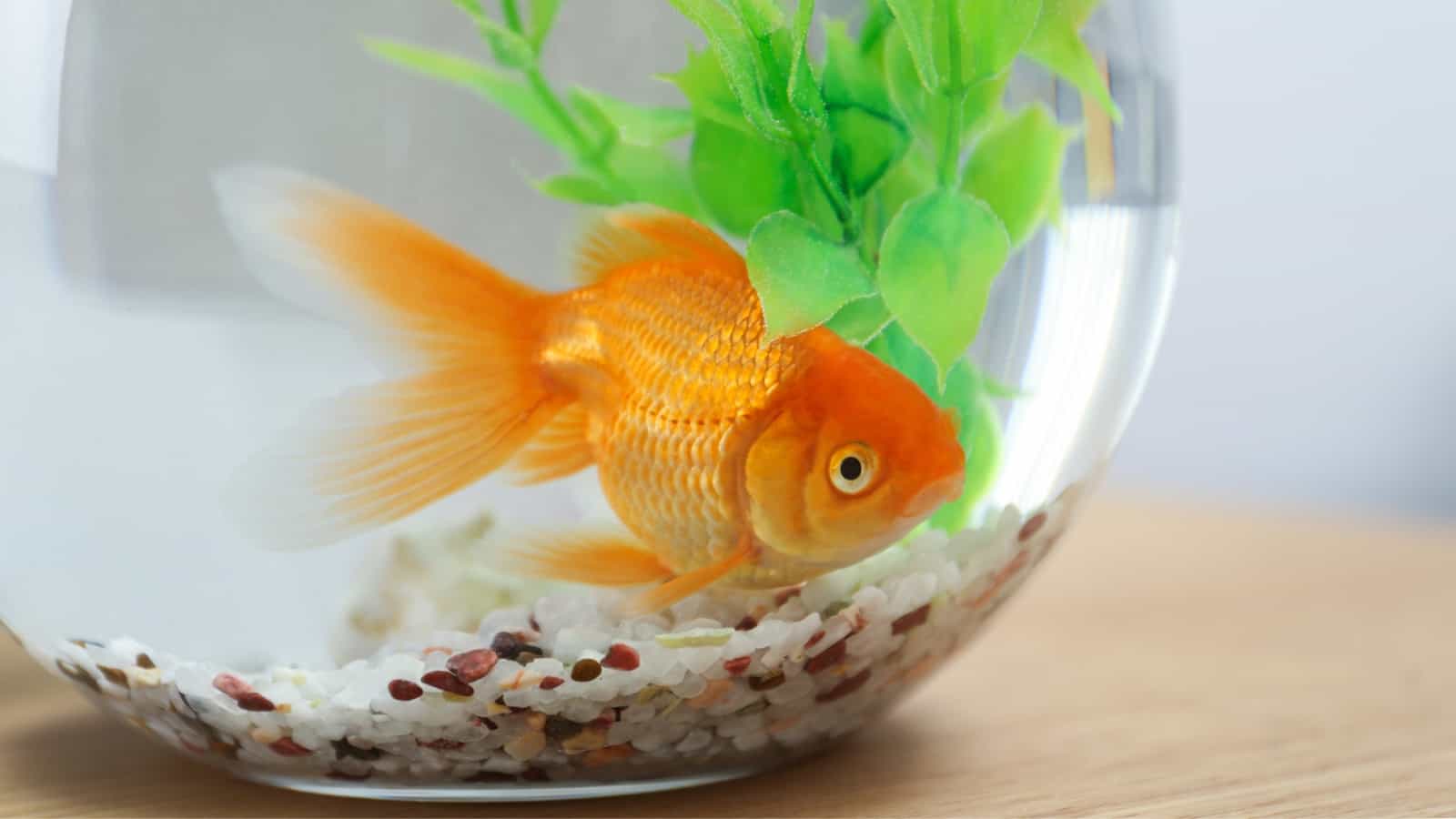
Unlike conventional fish tanks that have a hood, lid, or cover slide, goldfish bowls usually have an open top. There are several dangers to open-topped fishbowls, such as:
Suicidal Fish!
The main danger of an open-topped fishbowl is that the fish might commit suicide!
Wild carp are perfectly capable of jumping, as you can see in this YouTube video clip. And, yes, your goldfish can jump too!
Fish jump out of their tanks for several reasons:
- Poor water quality
- Lack of oxygen
- Fear of an aggressive tank mate
- Hunger
- Boredom and general dissatisfaction
Additionally, goldfish can become startled when you’re cleaning out their tank, causing them to leap out of the water and finish up on the floor.
Pollution
Dust, insects, household cleaning chemicals, and other airborne debris can easily get into the water of an unprotected bowl or tank without a lid.
That pollution can quickly poison the water, making your goldfish sick or even killing them.
Predators!
You may have noticed that your pet cat sometimes sits transfixed by the activity of the fish, swimming around their bowl. However, if the bowl doesn’t have a lid, what’s to stop Tibbles from going fishing while your back is turned?
All it takes is for one curious paw to hook out your goldfish, and Bubbles ends up on the carpet as a cat toy. Or even kitty’s lunch!
Curious Kids
Little kids can also be curious about the beautiful, shiny fish in an open fish bowl. And it’s not unheard of for a child to remove a goldfish from the bowl and take it out for a walk in the garden.
In summary, a fish tank with a tight-fitting lid is essential to keep your goldfish safe from many potential dangers!
A Distorted View?
Because of the shape of the glass, the fish’s view from inside the bowl is highly distorted. When their owner approaches the bowl to feed the fish, they simply see a huge, blurred object approaching, which is certain to startle and scare the fish.
Living with constant stress, the fish’s health is compromised, and lifespan is shortened. Although an acrylic tank or bowl creates less distortion than a glass one, the shape of a bowl still distorts the fish’s view.
Final Thoughts
Keeping goldfish in fish bowls has long been considered a very cruel treatment for these intelligent fish.
Goldfish kept in bowls are subject to lack of space, poor water conditions, distorted vision, and constant stress that severely impact their quality of life as well as their expected lifespan.
Thankfully, many countries have already banned goldfish bowls, and with increased awareness, many more will do so soon.